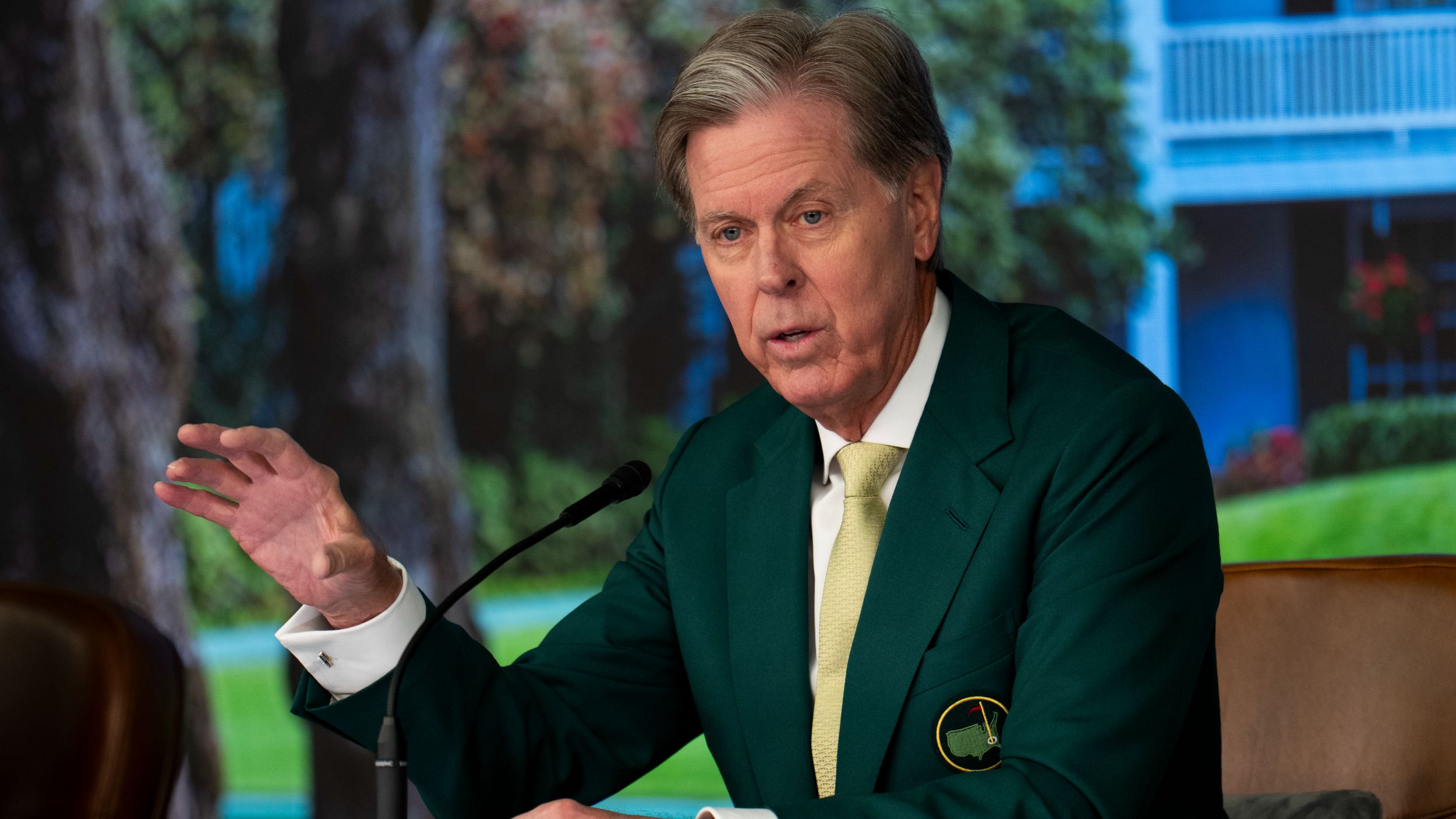
Fred Ridley, the chairman of Augusta National Golf Club, made a powerful statement calling for immediate action concerning the proposed rollback of golf balls. In the ongoing debate surrounding driving distance in the sport, Ridley insisted that, "Failure's not an option," highlighting the urgent need to tackle this pivotal issue head-on.
Ridley voiced his strong belief that mere discussions are no longer sufficient; action must be taken to address the challenges posed by modern golf equipment. The increasing distances pro players are achieving has sparked concerns regarding the game's tradition and competitiveness. He explained that the conversation should now move towards solutions.
"It's time to really address this issue," Ridley remarked, emphasizing that it's critical for the governing bodies in golf to participate in these discussions. The Augusta National chairman has witnessed the changes in the game firsthand, recognizing that the ascendancy of technology and equipment is changing the landscape of golf in substantial ways.
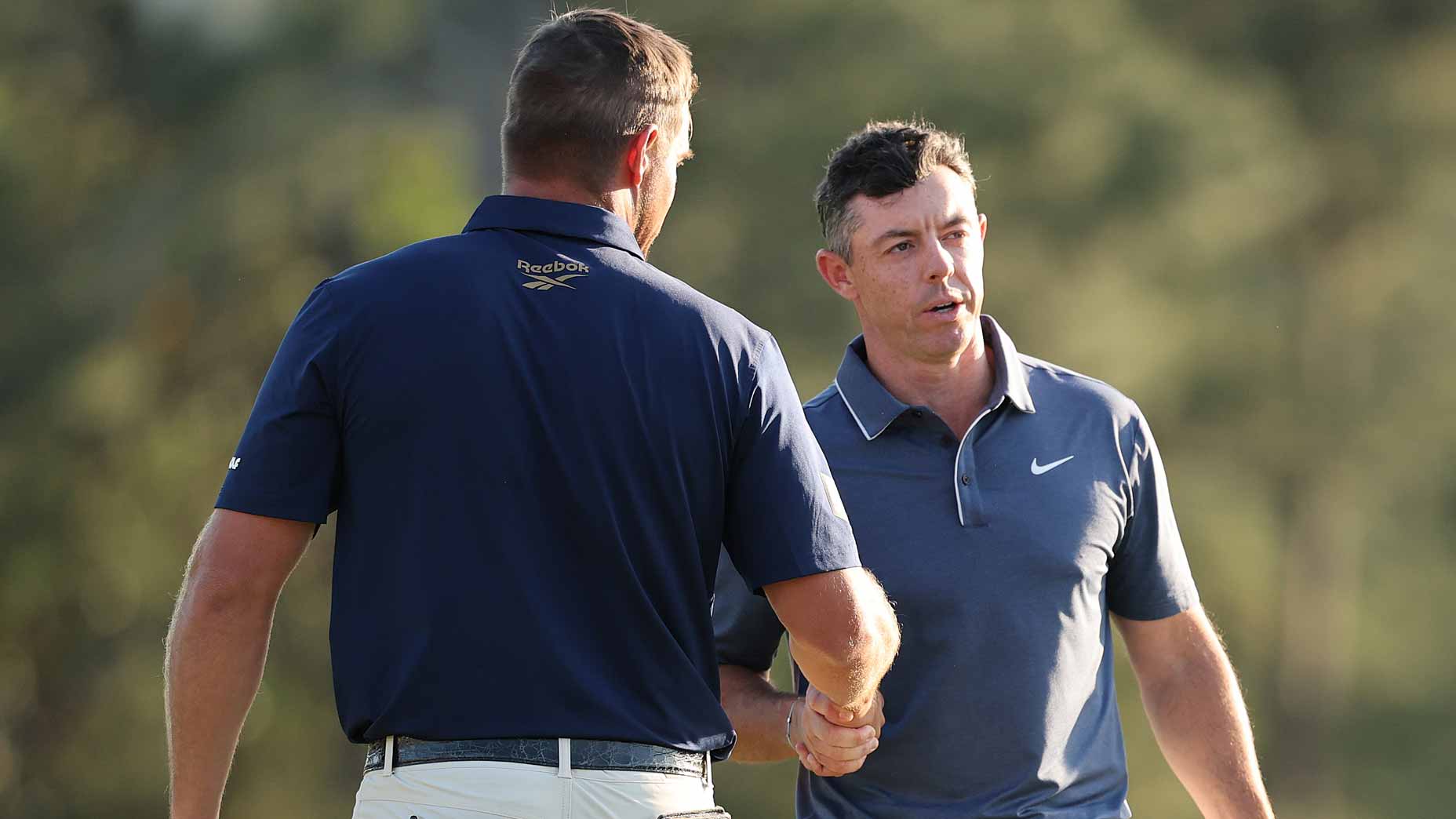
The topic of golf ball rollback has gained traction as players and fans alike express their concerns about how far modern equipment has pushed the game. Ridley’s comments reflect a resolute stance not only from him but from a cohort within the golf community advocating for change. As stakeholders in the game ponder the future, Ridley’s firm message casts a spotlight on the necessity of proactive measures to preserve the integrity of the sport.
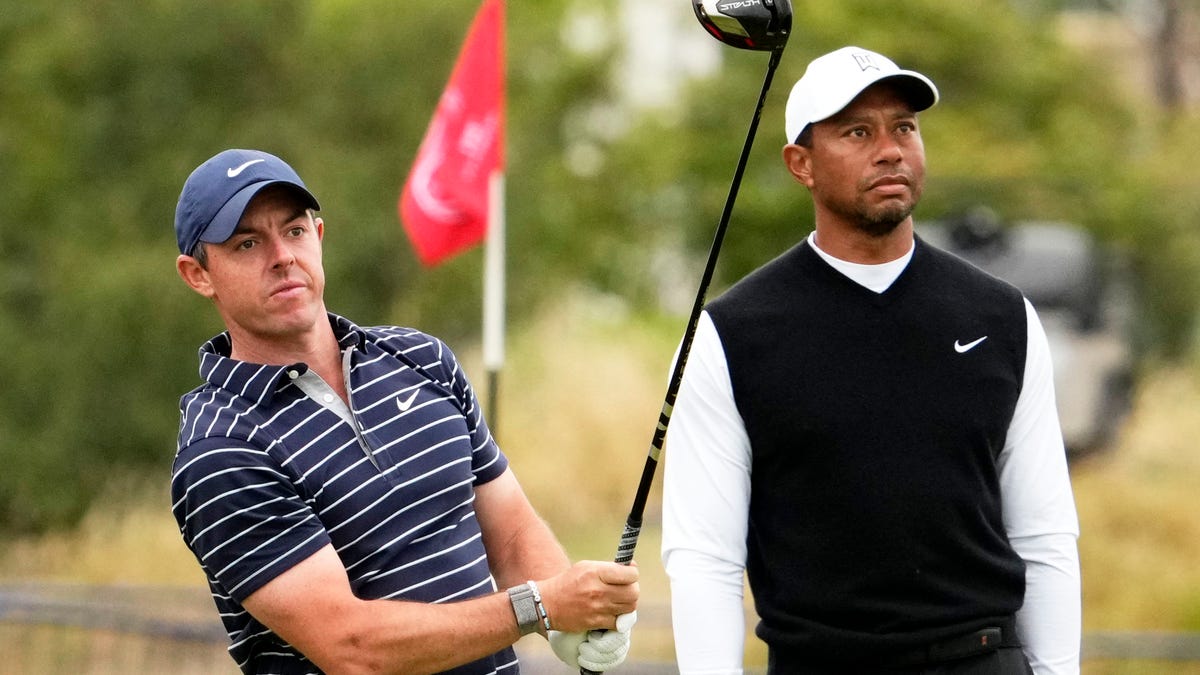
His remarks come at a significant time in golf, where many are evaluating the balance between innovation and traditional gameplay. The debate has intensified as players achieve longer drives, leading to an evolving understanding of course design and competitive balance.
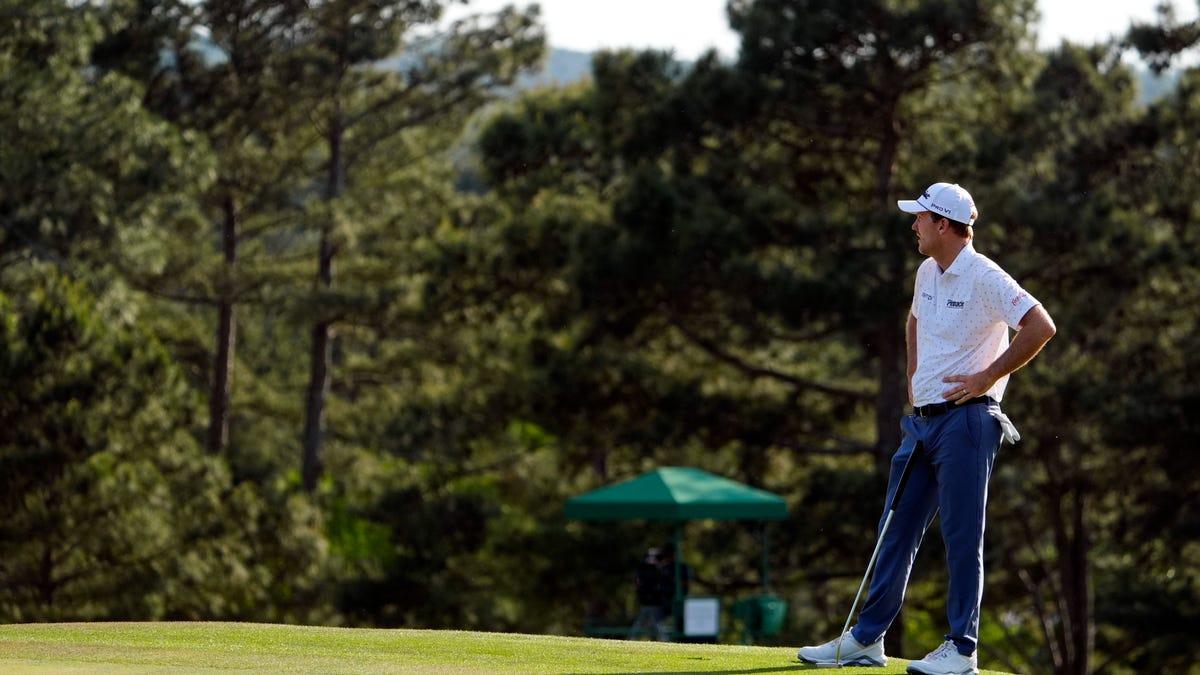
While players like Max Homa are trying to navigate their own personal experiences on the course, they are also mindful of the wider implications of such changes. Homa commented, "I doubt the rain did much, but the wind is down, so they’re going to have a much more enjoyable day than we did," implying how external factors like equipment changes can affect performance and ultimately the enjoyment of the game.

With players like Tommy Fleetwood also acknowledging the shift in performance dynamics, he stated, "In terms of me and my game?" bluntly indicating the personal impacts amidst larger conversations about the game’s future.
Ridley’s denial of failure as an option suggests an unwavering commitment to the sport, underscoring the need for unity among golf's governing bodies, players, and fans to address these concerns together in a constructive manner.
As the debate over equipment and gameplay intensifies, and with the spotlight on organizations like Augusta National, the next steps taken could significantly influence how golf evolves in response to modern challenges.
Golf’s governing institutions are now tasked with devising solutions that respect tradition while embracing necessary advancements, marking a pivotal moment for the sport. With the landscape of professional golf constantly changing, fans and players alike await how these discussions will unfold and what strategic actions will be implemented.

Looking ahead, the golf community will be watching closely to see how Ridley’s call for action is received and what measures will be adopted. As we move further into the competitive calendar, the implications of this issue will undoubtedly shape the narratives of not just tournaments, but the future of golf itself.