Gary Woodland walked off the 18th green at Augusta National on Sunday having accomplished something far more significant than his final-round 66 suggested. For the Delray Beach resident battling PTSD following brain surgery, simply completing four rounds at the Masters represented a major personal victory.
Woodland's closing 66 marked the best round of his 13 Masters appearances and came 12 shots better than his previous day's struggle. But the scorecard told only part of the story for a golfer learning to manage mental health challenges that stem from a 2023 surgical procedure.
"Today was peaceful," Woodland said after finishing at even-par 288. "The big deal is every day is a day that we can learn. So this was a tough week just for how close the patrons are to me. But we can learn a lot from that."
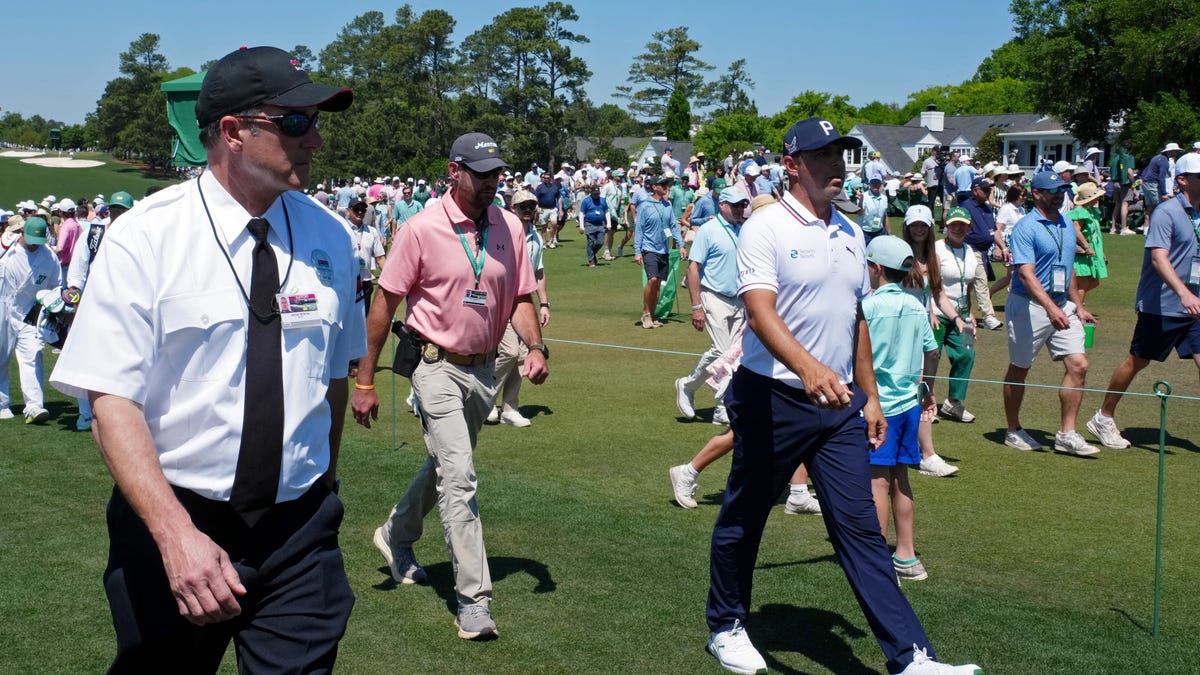
The 41-year-old suffers from PTSD following surgery in which doctors removed part of a tumor in the area of his brain that controls fear and anxiety. Part of the tumor remains against his brain, causing symptoms including hypervigilance. His primary trigger occurs when people approach too closely, particularly from behind.
Recognizing these challenges, Woodland requested additional security for the Masters. Personnel stayed close throughout all four rounds, providing a buffer between him and the thousands of patrons moving around Augusta National.
"My caddie was getting behind me more. I was getting the bag behind me. Security was amazing, the whole staff," Woodland explained. "It's just a lot of things I can learn. We can go back and talk with the doctors and figure some more things out. But this was a tough week but a good week, and I'll learn a lot from this week."
Entering the 17th tee, Woodland needed two birdies to equal Augusta National's course record of 63. The opportunity slipped away with the late bogey, but the near-miss hardly diminished the significance of his week.
"There were some times where you had to take a couple extra looks at security and slow down a little bit, slow my heart rate down and slow the thoughts down," Woodland said. "It was a tough week for me just for a lot of things, but it was nice to be out there early and kind of see the results that I knew my game has been showing."
The strong finish represented a dramatic turnaround from Saturday's third round, when Woodland struggled to a 76 – his worst score of the year. The contrast highlighted both his mental fortitude and the unpredictable nature of his condition.

"I was tired the first couple days for sure," he admitted. "There was a lot going on. But today was just peaceful. I slowed down. Good text from my coach (Randy Smith) last night that don't let the frustration set in because I played beautifully Thursday, as well, and I've been playing nice. Don't let the last couple days throw those days out, and I did that today, and it was nice."
Woodland earned his Masters invitation by winning the Texas Children's Houston Open on March 29, a victory that dramatically altered his schedule. He now has access to all Signature Events and major championships, creating both opportunities and additional mental health challenges to navigate.
His immediate schedule includes the RBC Heritage at Hilton Head, followed by a week off before three consecutive tournaments. The stretch includes the Cadillac Championship at Doral and the PGA Championship at Aronimink Golf Club outside Philadelphia.
As Woodland continues working with medical professionals to manage his condition, his Masters week provided valuable data points for future tournament preparation. The combination of increased security, strategic positioning, and mental preparation techniques showed promise for helping him compete at golf's highest level while managing PTSD symptoms.