In an era where local councils often view golf courses as targets for redevelopment, the City of Whittlesea stands as a beacon of how municipal authorities can successfully embrace the sport while delivering community benefits.
Growling Frog Golf Course, located 45 kilometres north of Melbourne's CBD in Yan Yean, represents a unique success story in Australian golf course development. Unlike most modern course projects, this venture has no attached real estate development, hotel or resort.
"No other course project in Australia during the past 50 years has been undertaken in quite the same way," according to course documentation. The council showed remarkable foresight in 2000 when they decided what to do with a large tract of rural-zoned land they had owned since the 1970s.
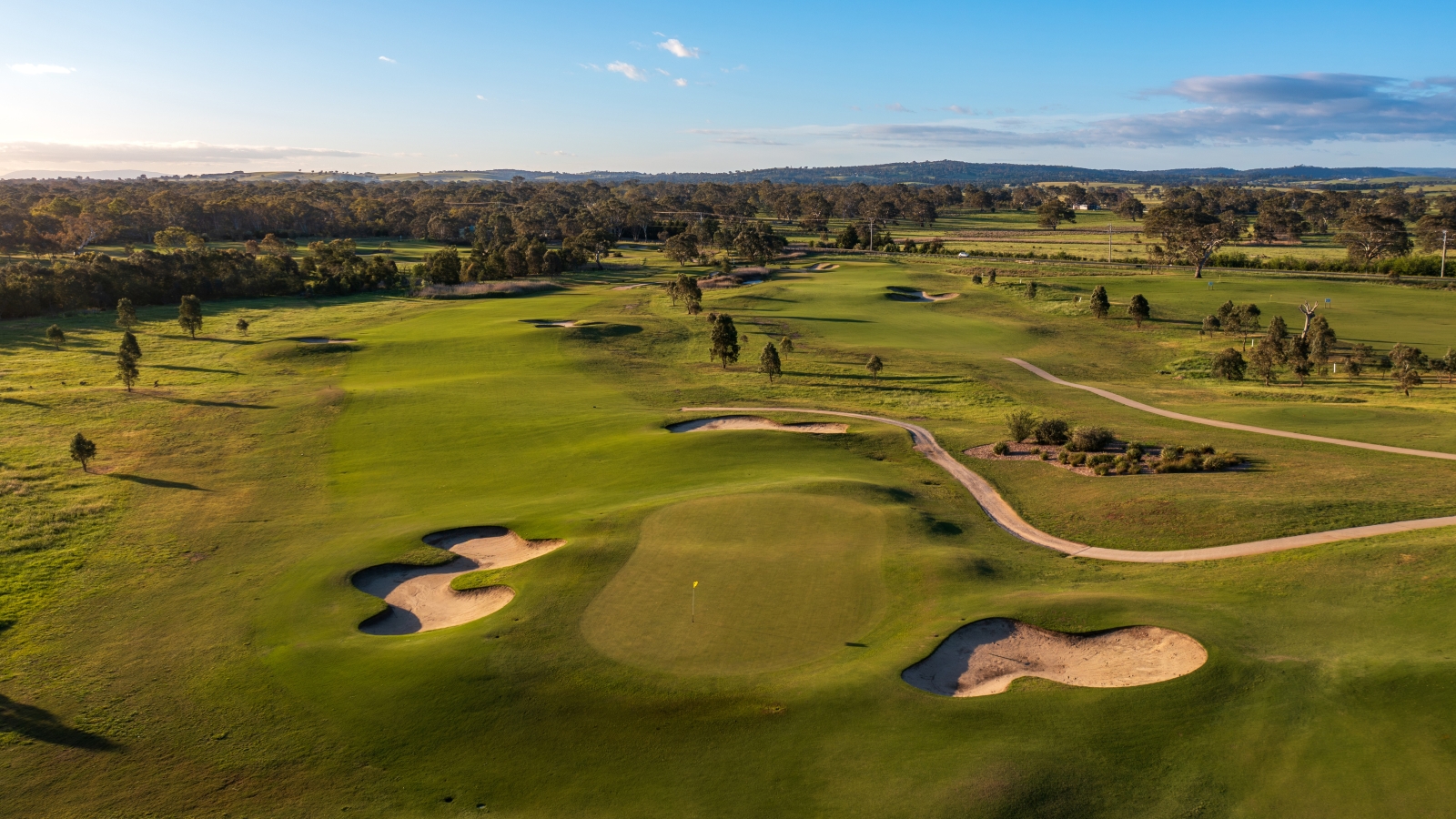
Graham Marsh and his design team took up their first Victorian commission in 2001, tasked with creating a course that would maximise the land's natural attributes while challenging players of all skill levels. The result was Growling Frog, named after the protected Growling Grass Frog found in the wetlands and creek running through the layout.
The distinctive amphibian attracts its mates by growling and dunks rivals underwater to drown out their opening gambits – providing both the course's unique name and a metaphor for its competitive challenge.
"One of the first and lasting impressions on arrival at the Growling Frog course is the magnificence of the site and the serenity of the setting," said Marsh. "This is a classic piece of land that truly reflects the unique beauty and character of the Australian countryside."

Set within 300 acres of picturesque countryside, the course winds across undulating terrain featuring Manna gums, white-barked Candlebark, and stately River Red Gums, some dating back more than 300 years. The peaceful setting offers uninterrupted views to the Great Dividing Range, making it hard to believe Melbourne's CBD traffic is just 45 kilometres away.
Marsh's design works in two loops from a clubhouse perched on the property's highest point. The 330-metre par-4 opening hole features a deceptively wide fairway that welcomes even slightly mis-hit drives, while longer hitters can potentially reach the green from the tee in favourable conditions.
Groving Frog broke new ground as the first Australian course built using 3D and GPS tracking technologies. This enabled Marsh's detailed design to be implemented with remarkable accuracy, with shaping around greens and bunkers undertaken to a tolerance of just plus or minus five to 10 millimetres.
"By using GPS on course shaping equipment, environmentally sensitive areas were protected and none of the statuesque River Red Gums were damaged or had to be removed during construction," Marsh added.
The environmental consciousness extended throughout the project, protecting the wetlands that provide habitat for the endangered Growling Grass Frog while creating a championship-quality golf experience.
"Strategically placed bunkers, first-class Santa Ana couch fairways and pure A1 Bent grass greens complete the experience," noted Marsh.
Since opening for play in 2004, Growling Frog has earned recognition in Golf Australia magazine's Top-100 Public Access Courses ranking every year. Under Golf Services Management's operation, the course has shown consistent improvement, rising from 95th to 74th in the rankings.

Yet despite golf's growing popularity, battles continue with local councils in major cities to maintain accessible public golf facilities. Some councils view golf as an elite sport and have targeted public courses for closure to create green space.
The City of Whittlesea's approach demonstrates an alternative path – recognising golf's physical and mental health benefits for the community while generating financial rewards through well-managed, high-quality facilities.
As golf continues its post-pandemic boom, Growling Frog serves as a model for how thoughtful municipal planning can preserve both environmental heritage and recreational access, creating lasting value for communities while protecting unique natural habitats.