
The atmosphere was relaxed at Ohoopee Match Club in Georgia, where Rory McIlroy hosted his annual summit with golf's power brokers. What started as a brief fireside chat about his historic 2025 Masters victory evolved into an emotional journey through one of golf's most dramatic final rounds.
Brad Faxon, McIlroy's putting coach, was instructed to ask just two quick questions about the Masters triumph. Instead, he decided to dig deeper into the day that completed McIlroy's career Grand Slam.
"One of the hardest things to do in sport, particularly in golf, is to sleep on the lead of a major championship, a major championship you haven't won, the one you need for the career Grand Slam," Faxon began, referencing McIlroy's crushing double bogey at the first hole that erased his 54-hole lead.
The room of 60 executives from TaylorMade, Nike, and major golf organizations leaned in as McIlroy began reliving that pivotal Sunday at Augusta National. Among the attendees were PGA Tour Commissioner Jay Monahan, new Tour CEO Brian Rolapp, and Masters Chairman Fred Ridley.
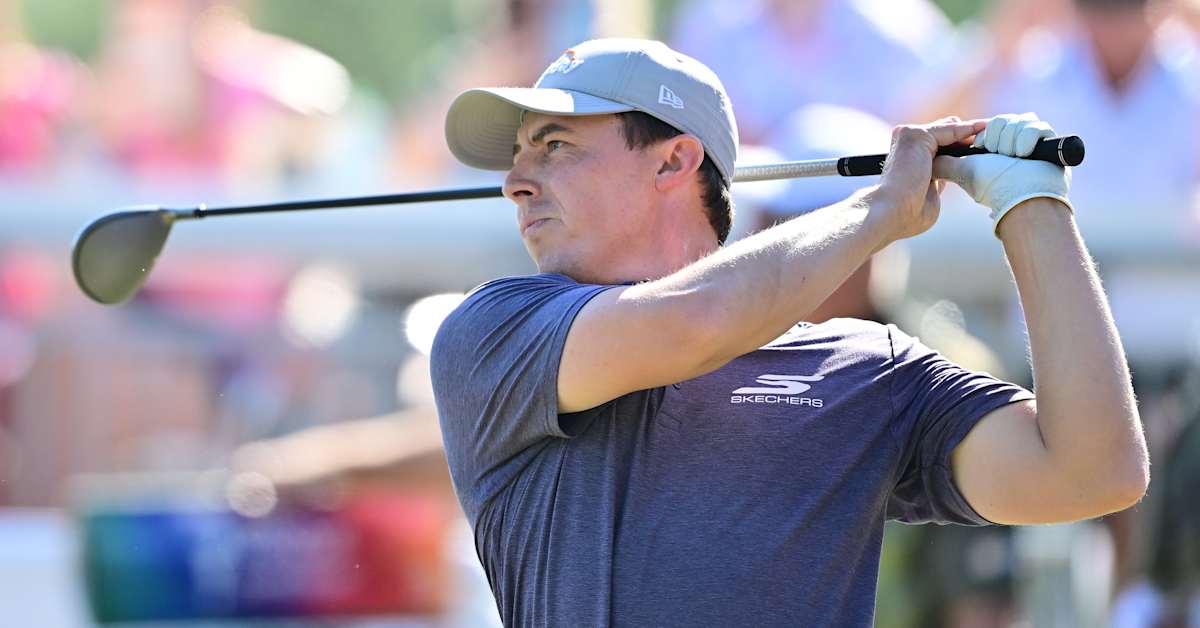
McIlroy's opening-hole disaster could have derailed his Masters dream once again. But as he explained to the captivated audience, he drew inspiration from an unlikely source.
"He said he reminded himself of Jon Rahm's 4-putt double-bogey at the first hole when he won in 2023," Faxon recalled. "Rory said, 'I felt like it took the pressure off me. It sort of calmed me down, settled my nerves and got me thinking more about my own game like I should have in the first place.'"
"Probably one of the great watches in golf," said Padraig Harrington, who watched every shot from Ireland. The three-time major winner was struck by seeing McIlroy's vulnerability on display.
"We're used to watching Rory swash-buckle around a place and if he makes a bogey, it's no big deal. He's bullet-proof," Harrington said. "But on that Sunday, he looked like a rookie trying to win in his first month on Tour."
The fragility was evident at the par-5 second hole, where McIlroy's frustration boiled over. He hit such a poor wedge for his third shot that he dropped his club in disgust, managing only par while DeChambeau seized the lead with a routine birdie.
The momentum shift appeared to favor DeChambeau, who had proven his major championship mettle by denying McIlroy at Pinehurst. The American's steady play early in the round suggested McIlroy might once again fall short in his quest for the green jacket.
But golf's unpredictable nature was about to reveal itself in spectacular fashion. The turning point came at the short par-4 third hole, where strategic decisions would determine the championship's direction.
Faxon's impromptu decision to extend the conversation beyond two questions proved inspired, as McIlroy's detailed recollections painted a vivid picture of championship pressure and redemption. The intimate setting allowed golf's biggest names to witness McIlroy's emotional journey through one of Augusta's most memorable Sundays.
"He was so honest and very casual in nature," Faxon recalls. "Then he went through the stories and some of them even I hadn't heard. Fascinating. You felt like you were living the last round over again."
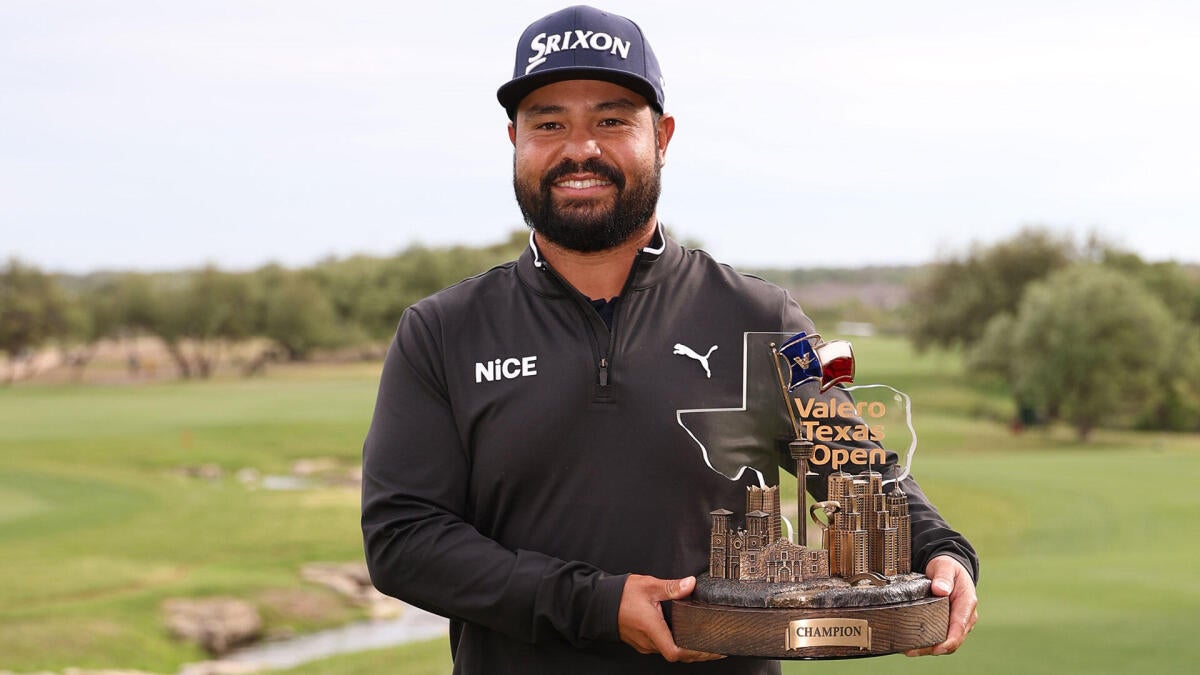
As McIlroy continues his 2026 season, the memories of that April Sunday remain fresh. His ability to overcome adversity and deliver under ultimate pressure serves as a template for future major championship pursuits, with the recent Valero Texas Open won by J.J. Spaun showing the competitive depth McIlroy must navigate.
The detailed recounting at his summit revealed the mental fortitude required to capture golf's most coveted prize, offering rare insight into the championship mindset that separates major winners from the rest.