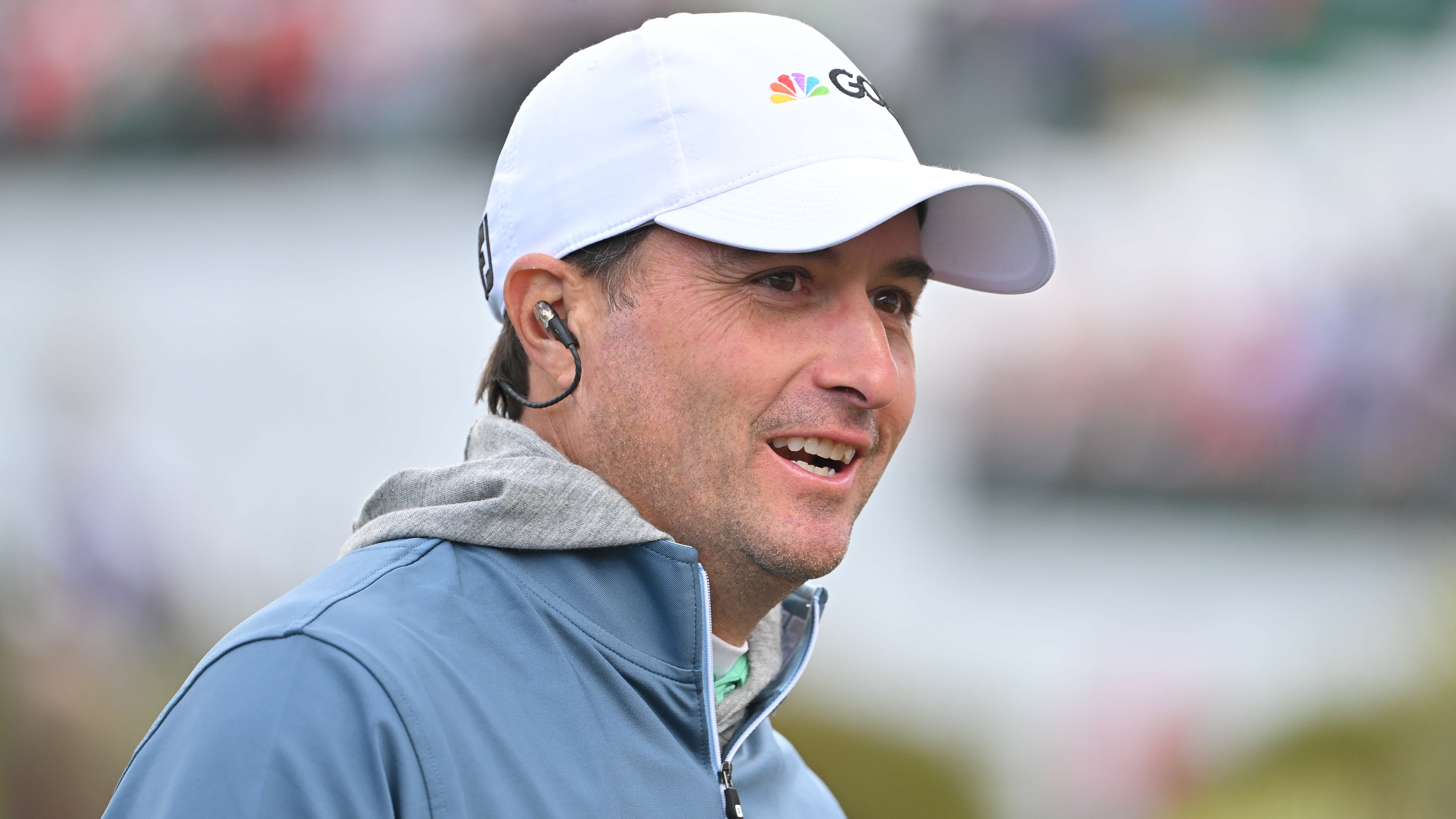
NBC Sports analyst Kevin Kisner has publicly apologised to CBS for his unusually blunt criticism of the network's 2026 Masters broadcast, admitting on the Fore Play podcast on Thursday that he had gone too far in dismissing the production as a "fantasy world."
Kisner, who worked as Sirius XM's lead Masters analyst while under contract at NBC, had originally used the same Barstool-owned podcast to complain about delays between live action at Augusta National and what CBS was actually showing viewers.
"I was so f—ing confused the entire time by trying to keep up with the behind-the-scenes CBS feed," Kisner said during that first appearance. "It was so bad that I in fact texted [Colt Knost] during the show and said, 'Do you all ever show a live shot?'"
He went further: "So your entire Masters coverage is a fantasy world. It's bulls–t. Whatever we all watch has already happened seven minutes ago."
To reinforce the contrast, he name-checked his own employer. "Our production team at NBC prides themselves on playing every shot that they possibly can live," he said.
The comments landed with a thud inside the industry. CBS has partnered with Augusta National on the Masters broadcast for decades, and a sitting NBC analyst publicly critiquing a rival network's coverage of the year's most scrutinised golf telecast was described in subsequent reporting as extraordinarily unusual.
By Thursday, 16 April, Kisner had clearly been nudged to reconsider. Returning to Fore Play, he was contrite.
"I crossed the line probably, too much by talking about that whole content," he said. "I went too far on being critical on them, and I just want all the people associated with it to know I apologize."
He then offered a generous reframing of the entire broadcast profession, one that notably lumped his own network into the same bucket of imperfection.
"NBC screws up all the time, and we're just trying to do our best," Kisner added. "They're our partners with the PGA Tour and they continue to showcase in a great way the game we all love."
The mea culpa highlights the delicate politics around Masters coverage. CBS's produced, highlight-heavy Sunday telecast has long drawn criticism from hardcore fans who want the unvarnished live feed, and streaming options such as Masters.com's featured groups have chipped away at the argument that the traditional broadcast is the only way to watch. Yet Augusta National remains fiercely protective of how its tournament is packaged for television, and overt shots across the bow between network analysts are rare.
Kisner's about-face also underscores the awkward position of a player turned broadcaster still employed by one rights holder while pontificating about another. NBC carries the U.S. Open and a large slice of the PGA Tour schedule. CBS carries the Masters and multiple marquee events, including this week's RBC Heritage. Picking fights across that line is, as Kisner now acknowledges, a short road to regret.
Neither CBS nor the producers of its Masters coverage have publicly responded to either the original comments or the apology. Inside golf media circles, though, Kisner's capitulation has been read as a sign that someone in a suit at NBC or elsewhere quickly made the political cost of the feud clear. For golf fans, the episode is a rare glimpse of the backstage friction that normally stays well away from the polished on-air product.