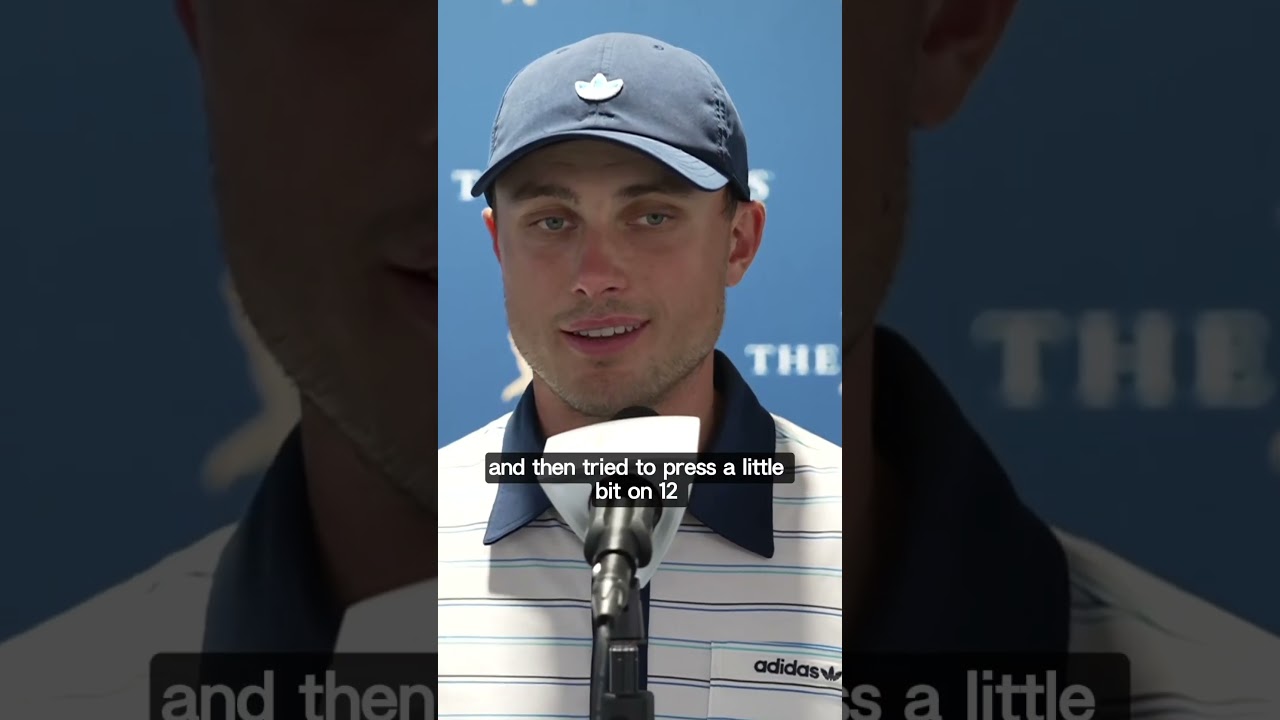
Ludvig Aberg has opened up about the painful back-nine unravelling that cost him a chance of winning The Players Championship, admitting to a "really poor swing" on the 12th tee and a familiar miss that had haunted his week at TPC Sawgrass.
The Swedish 25-year-old, one of the sport's brightest young talents, was in the hunt through the front nine of the final round before a series of errors opened the door for Cameron to lift the trophy. Speaking afterwards, Aberg offered a frank post-mortem of what went wrong.
"Uh, yeah, obviously really disappointed. Um, I felt like I was striking it okay early on. Um, got away with a few things, especially number four. Kind of left miss, but overall, uh, pleased with the week. Uh, obviously today, uh, the back nine was was not good."
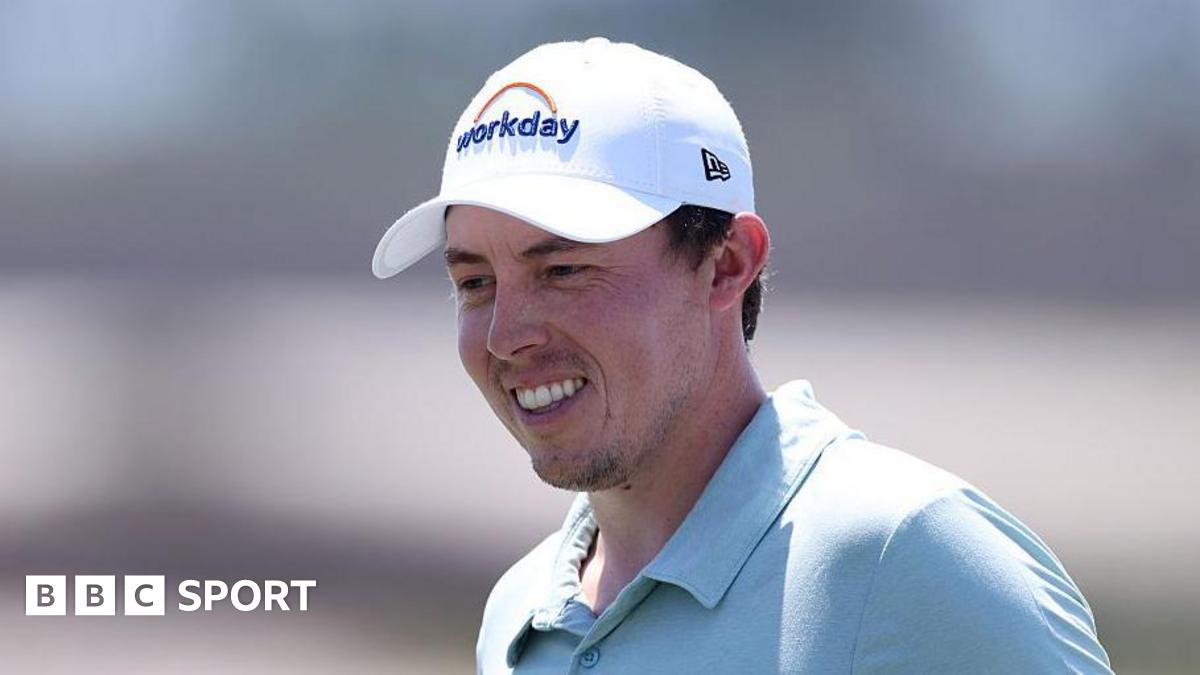
Aberg identified holes 11 and 12 as the moments where his tournament turned.
"Uh yeah, for sure. It got away from me quick there. Um and uh yeah, it was just poor swings. Uh I felt like I've had that sort of sevenwood right miss a few times this week on number four especially twice. Uh and it came up on on 11 as well. And then tried to press a little bit on 12."
The 12th hole, a short par-four that tempted the field's long hitters, proved decisive. Aberg had opted to take driver in line with a pre-round strategy drawn up with his caddie. The result was one of the rare moments in which his otherwise metronomic swing let him down at the worst possible time.
"Uh, I don't know. Maybe. I mean, we we had sort of a game plan as, you know, driving would be an option. Um, and today, obviously, the wind was a little bit different from what we've had. Um, and it was a good win for it. Um, but, uh, yeah, I mean, it was a poor swing. Uh really poor swing."

"Um yeah, obviously really disappointed. Um, I would have loved to be standing where Cameron is standing right now, but uh, overall I still felt like I I saw some nice things uh, in my game this week."
It was a notable display of composure from a player whose rise through the professional ranks has been defined as much by his temperament as by his ball-striking. Aberg has already collected a Ryder Cup appearance and multiple tour wins in a remarkably short career, and his willingness to dissect the mistakes in real time rather than deflect points to the self-awareness that has impressed coaches and peers.
The loss is unlikely to linger in the way past Players near-misses have for others. Aberg remains inside the world's top ten and arrives at the start of the major season with his game clearly trending in the right direction, despite the Sunday wobble. Analysts noted that his strokes-gained numbers off the tee and on approach across the four days were among the best in the field — the damage, ultimately, confined to two decisive swings.
For now, he heads on with his eye on the Masters and the rest of the summer's majors. The sting of TPC Sawgrass, he suggested, will serve as a reminder rather than a wound.
"That's the way it goes sometimes," he said.