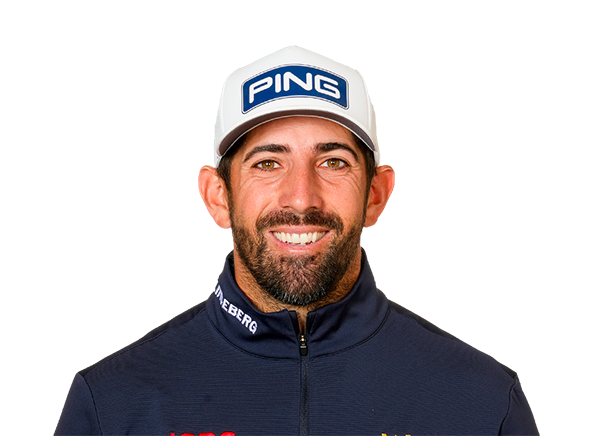
Matthieu Pavon's journey from the European Tour to the pinnacle of professional golf reads like a modern-day success story. The French golfer, currently ranked 41st in the Official World Golf Ranking (OWGR), has established himself as one of the most compelling players to emerge on the PGA Tour in recent years.
The 31-year-old from Toulouse has transformed from a solid European Tour professional into a legitimate contender on golf's biggest stage. His current world ranking of 41st represents not just personal achievement, but a breakthrough for French golf on the global scene. This positioning places him among the elite echelon of professional golfers worldwide, competing alongside household names and major championship winners.
Pavon's ascent has been characterized by consistent performance rather than flashy headlines. His methodical approach to the game reflects the patience and precision that have become hallmarks of his playing style. Standing at an average height with an athletic build, Pavon may not possess the imposing physical presence of some tour professionals, but his technical proficiency and mental fortitude have proven equally effective.


The Frenchman's game is built around accuracy and course management rather than pure power. His driving accuracy and approach play have been particular strengths, allowing him to compete effectively on the varied layouts that define modern professional golf. This strategic approach has served him well in adapting to different course conditions and tournament formats across international competition.
Career Journey
Pavon's transition to the PGA Tour represents a significant career milestone. The move from primarily European-based competition to America's premier golf circuit requires substantial adjustment, both professionally and personally. The increased travel demands, different course setups, and elevated competition levels present challenges that have derailed many promising careers. However, Pavon's current world ranking suggests he has navigated this transition successfully.
The French golfer's rise comes at a time when European golf is experiencing a renaissance on the global stage. His success adds to a growing contingent of European players making their mark on the PGA Tour, contributing to the increasingly international flavor of professional golf's premier circuit.
Career Journey
Technically, Pavon's game demonstrates the well-rounded skill set necessary for sustained success at the highest level. His short game, often the differentiating factor between good and great players, has shown marked improvement throughout his career progression. The ability to get up and down from challenging positions around the green has become increasingly crucial as course setups have evolved to reward precision over distance.
Career Journey
Pavon's putting, perhaps the most scrutinized aspect of any professional golfer's game, has proven reliable under pressure. The mental demands of professional golf often manifest most clearly on the greens, where confidence and technique must merge seamlessly. His ability to maintain composure in crucial moments has been evident in his climb up the world rankings.
The pathway from European Tour regular to PGA Tour contributor requires not just improved performance, but adaptation to different competitive rhythms and expectations. American golf culture, with its emphasis on aggressive play and risk-taking, can present adjustment challenges for players accustomed to the more strategic approaches often favored in European competition.
Pavon's current world ranking of 41st positions him favorably for major championship qualification and elite tournament invitations. This ranking threshold often serves as a gateway to golf's most prestigious events, where careers can be defined and legacies established. His proximity to the world's top 40 suggests potential for further advancement with continued consistent play.
The financial implications of Pavon's success extend beyond prize money earnings. Higher world rankings translate to increased sponsorship opportunities, appearance fees, and endorsement potential. For a player from a country where golf maintains a smaller profile compared to traditional sporting powerhouses, these opportunities represent significant career advancement.
Looking ahead, Pavon's trajectory suggests room for continued improvement. Players who reach the world's top 50 often use that platform as a launching point for major championship contention and signature tournament victories. His age profile, at 31, positions him in what many consider the prime years for professional golfers, when experience and physical capability align optimally.
The demands of maintaining elite-level performance require constant refinement and adaptation. Course setups continue evolving, equipment technology advances, and competitive standards rise annually. Players who sustain success at Pavon's level demonstrate not just initial talent, but the ability to evolve their games continuously.
Pavon's emergence as a top-50 player represents validation of his decision to pursue golf's highest levels. The sacrifice and dedication required to reach this competitive tier cannot be understated, particularly for players from countries where golf infrastructure and support systems may be less developed than in traditional golf strongholds.
As Pavon continues his PGA Tour campaign, his world ranking of 41st serves as both achievement and motivation. The gap between his current position and golf's absolute elite remains bridgeable through continued improvement and breakthrough performances in significant tournaments.