Golf22 Mar 20262 min read

Morikawa Withdraws from Players Championship After One Hole

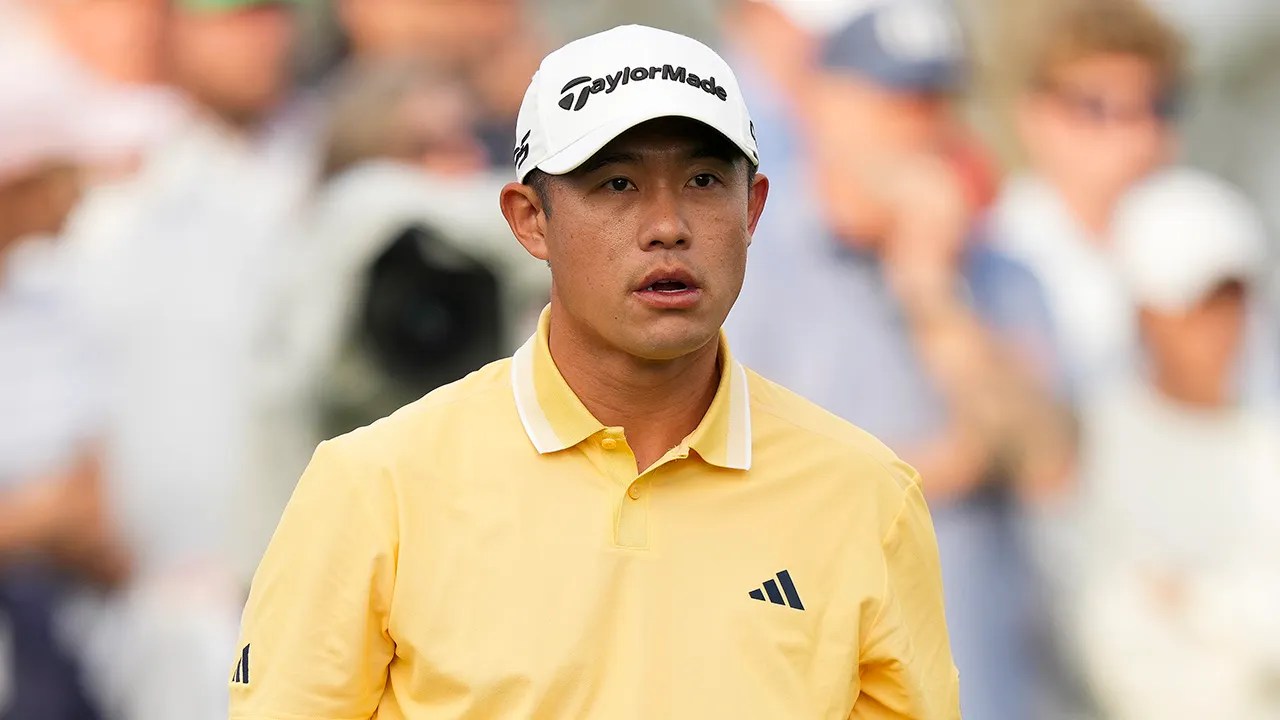
Collin Morikawa withdrew from The Players Championship after playing just one hole due to a back injury sustained during a practice swing. The world No. 4 golfer is now focusing on recovery ahead of The Masters.

Morikawa Withdraws from Players Championship After One Hole
Image via custommapposter.com

Key Takeaways

  • 1.Two-time major champion Collin Morikawa's Players Championship came to an abrupt end Thursday after the world No.
  • 2.For Morikawa, who has won two major championships and established himself as one of the game's elite players, this setback represents more than just a missed tournament.
  • 3.The coming weeks will be crucial for Morikawa's team as they work to address the back issue and ensure he's ready for the season's first major.

Two-time major champion Collin Morikawa's Players Championship came to an abrupt end Thursday after the world No. 4 was forced to withdraw due to a back injury sustained on just his second hole of the day.

Morikawa completed the opening hole without incident but suffered the injury during a practice swing on the 11th tee at TPC Sawgrass. The timing was particularly cruel, as the 27-year-old had felt fine during his pre-round preparation.

"I don't know what caused it," Morikawa said following his withdrawal, expressing the confusion and frustration that comes with such an unexpected physical setback.

The California native's withdrawal highlights the unpredictable nature of professional golf, where even the most routine movements can lead to tournament-ending injuries. Unlike contact sports where injuries often result from collisions or tackles, golf's precision-based nature makes sudden physical breakdowns feel particularly jarring.

Morikawa's situation underscores the constant physical demands placed on tour professionals. The repetitive stress of the golf swing, combined with the grueling tournament schedule, creates a delicate balance between peak performance and potential breakdown.

The psychological impact of such an unexpected injury cannot be understated. For an athlete who relies on meticulous preparation and body awareness, being blindsided by a sudden back spasm during what should be a routine practice swing adds mental anguish to the physical pain.

This isn't the first time Morikawa has dealt with back issues, suggesting an ongoing concern that requires careful management. The timing is particularly concerning with The Masters approaching in April, one of golf's most prestigious events.

Morikawa's immediate focus has shifted to recovery and preparation for Augusta National. His experience with similar injuries in the past provides both concern about recurring issues and confidence in his ability to bounce back.

The withdrawal serves as a stark reminder of the fragility that exists even at the highest levels of professional golf. What appears to be a controlled, low-impact sport actually places significant stress on the body through repetitive motions and the pursuit of perfection.

For Morikawa, who has won two major championships and established himself as one of the game's elite players, this setback represents more than just a missed tournament. It's a reminder of the physical challenges that can derail even the best-laid plans.

Fans and fellow competitors will be watching closely to see how quickly Morikawa can return to form and whether this injury will have any lasting impact on his game heading into the most important stretch of the golf season.