
The PGA Tour has confirmed it will exit Hawaii for the 2027 season, dropping both The Sentry at Kapalua and the Sony Open in Hawaii from its schedule and ending a January staple that has anchored the start of the tour's year since 1971.
The news, which state business leaders had feared for months, was confirmed late Monday. It will cost Hawaii's visitor economy more than $150 million annually in direct and indirect revenue, according to state commerce officials. The Sony Open alone generates approximately $100 million a year for Oahu's economy, with a further $1 million flowing to the Friends of Hawaii charities tied to the tournament. The Sentry contributes roughly $50 million annually to Maui.
In January 2026, the two events combined drew 16,162 out-of-state visitors who spent an estimated $29.69 million in-state, with a broader statewide economic impact of $54 million.

**A Rolapp-era calendar reshape**
The exit is a signature move of new PGA Tour chief executive Brian Rolapp's restructuring plan, which favours a shorter schedule that begins after the Super Bowl rather than competing with the NFL playoffs in the first week of January. The Sentry is expected to be relocated to a "marquee event at an iconic venue on the West Coast" - with Torrey Pines, Pebble Beach and Riviera all in early discussions. Sentry Insurance, whose sponsorship deal runs through 2035, is tipped to become the title sponsor of the relocated event after Farmers Insurance declined to renew at Torrey Pines.
The Sony Open is in parallel discussions to transition to a PGA Tour Champions event at Waialae, a move that would keep Sony engaged in tour golf without requiring a top-level tournament. A PGA Tour spokesperson confirmed the shift is in play.
"We can confirm that the PGA Tour is having conversations about the Sony Open in Hawaii becoming a PGA Tour Champions event," the spokesperson said.

The Sentry's removal is tied to a separate, more immediate set of problems. The 2026 edition of the event was cancelled after drought damage and a water rights dispute left the Plantation Course unplayable. That cancellation - which Rolapp's team had hoped would be a one-off - instead opened the door to a permanent reshuffle.
**Hawaii officials push back**
The reaction from state leaders has been frustrated but pragmatic.
"For many years, these events have delivered significant economic benefits to our communities - supporting local jobs, businesses and visitor spending," said James Kunane Tokioka, director of the Hawaii Department of Business, Economic Development and Tourism.
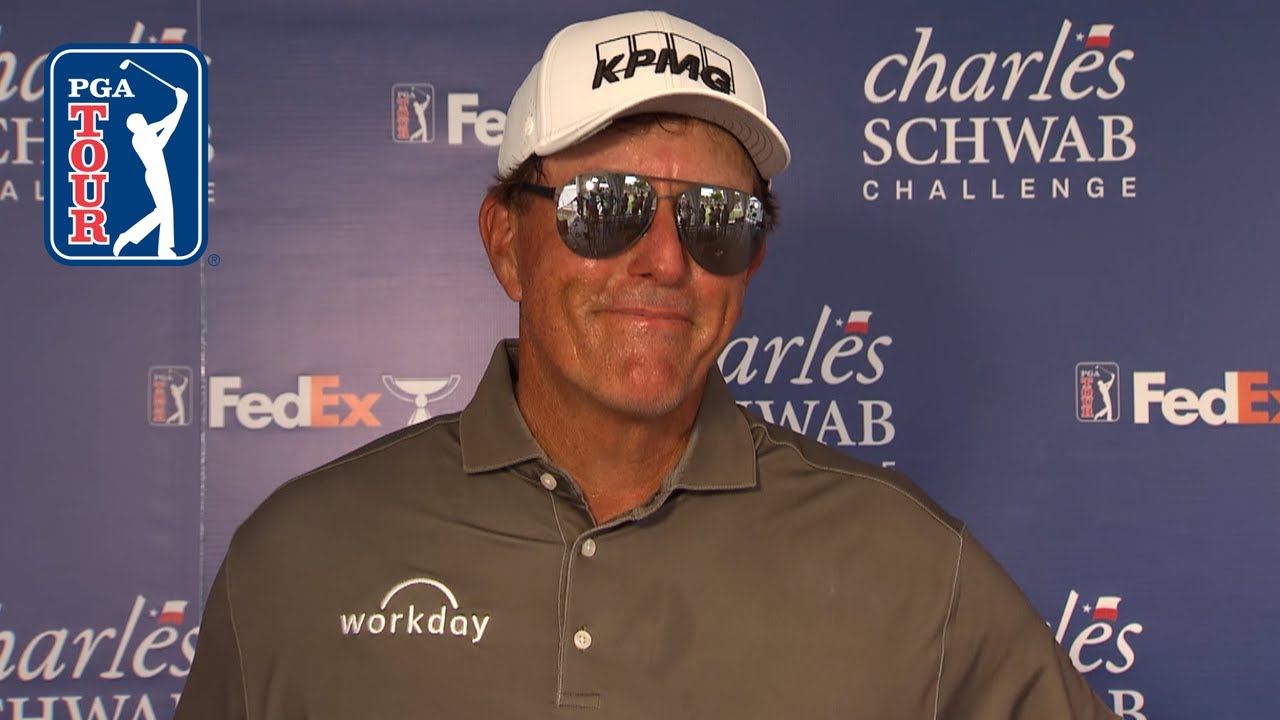
"Golf and surfing are sports that showcase the beauty of our islands in every camera angle," Wakai said.
State Senator Lynn DeCoite, chair of the Senate Economic Development and Tourism Committee, made clear the state is not walking away from the conversation.
"I don't plan on giving up on this," DeCoite said. "The challenges are multifaceted, but I believe we can work through them."
Sentry Insurance, for its part, reiterated its investment in the state even as its tournament name moves on.
"We love Maui and Maui is a Sentry community not unlike our hometown of Stevens Point, Wisconsin," said Stephanie Smith, Sentry's chief marketing officer.
The PGA Tour's own statement leaned on gratitude.
"We are grateful to the Plantation Course at Kapalua, Kapalua Resort, Maui County, and the state of Hawaii for their longtime support of our season-opening PGA Tour event, as well as the fans, partners and volunteers across Maui who have supported the event throughout the years," the tour said.
**What's next**
For the players, the loss of two guaranteed January starts - one of them a signature event with a $20 million purse - will reshape calendars across the top of the game. For Hawaii, the hit is more than symbolic. The televised images of Kapalua's Plantation Course, the ocean-framed 18th at Waialae and the annual Tournament of Champions broadcast have been credited for years with fuelling the tourism pipeline that drives the state's winter economy.
A Sony Open-branded Champions event would cushion the blow at Waialae. The bigger question is whether a revived West Coast swing can truly replace what Hawaii has offered. On the evidence of Monday's statements from state leaders, the answer from Honolulu is a careful, diplomatic no.