Jordan Spieth's steady climb back toward golf's elite took a significant step forward at Augusta National, where his closing 68 helped secure his best major championship result in three years.
The three-time major winner finished tied for 12th at the Masters, highlighted by a dramatic eagle when he holed out from a greenside bunker behind the par-5 13th green and capped his round with a 15-foot birdie putt on 18.
More importantly for Spieth's immediate future, the strong showing catapulted him from 61st to 52nd in the world rankings at a crucial juncture in his career. The 32-year-old faces an unusual predicament for someone of his stature: he's not currently exempt for the US Open.
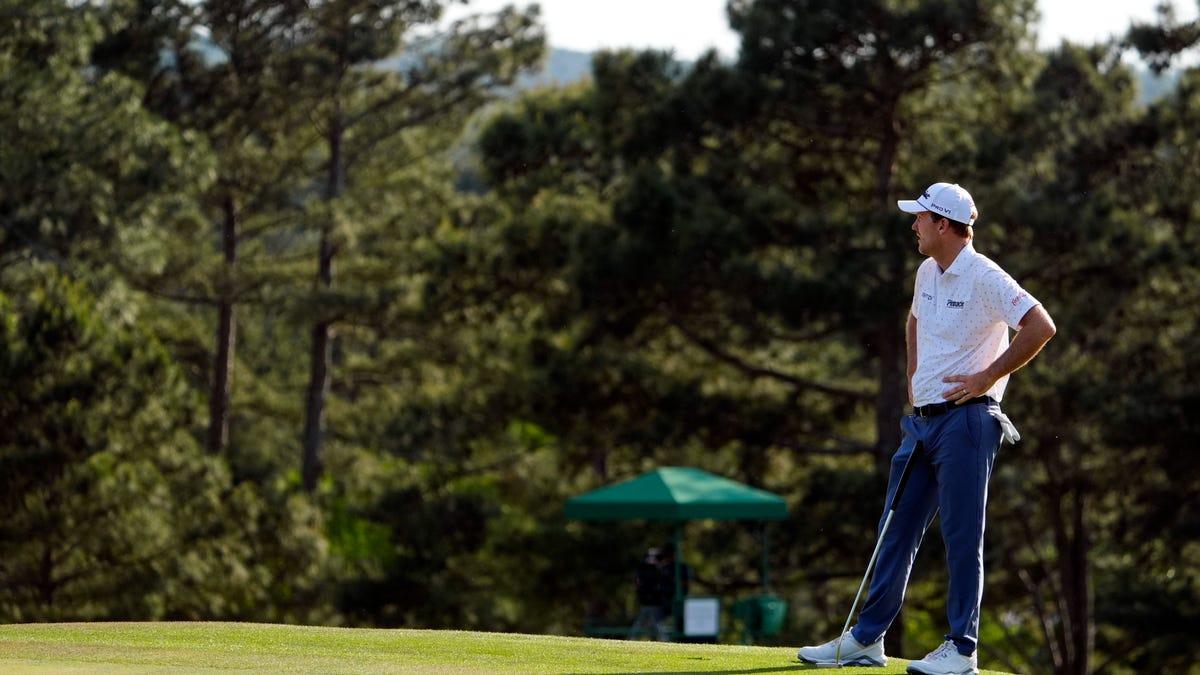
Spieth's 10-year exemption from his 2015 victory at Chambers Bay expired last year, leaving him dependent on either cracking the top 60 in world rankings by the PGA Championship or seeking a special exemption. While past champions typically receive consideration for such exemptions, requesting one at age 32 would represent an uncomfortable position for the former world number one.
The tie for 12th marked Spieth's best major finish since a fourth-place showing at the 2023 Masters. Having ended last year ranked 80th globally and hovering outside the top 60 for the past month, Spieth enters a pivotal stretch that could determine his major championship access.
Adam Scott faces a similar challenge, improving his position to 51st in the rankings after weekend rounds of 70-70 for a tie for 24th. The US Open remains the only major for which the Australian veteran lacks current eligibility, and qualifying would extend his streak to 100 consecutive major appearances.

The USGA maintains a history of granting special exemptions to accomplished players who never captured a US Open title, including Ben Crenshaw, Nick Price and Phil Mickelson. However, both Spieth and Scott prefer avoiding that conversation entirely.
Spieth's path to automatic qualification runs through a demanding six-week gauntlet that began at Augusta. The stretch features three signature events between now and the PGA Championship at Aronimink outside Philadelphia, offering multiple opportunities to solidify his ranking position.
This week's RBC Heritage at Hilton Head kicks off the crucial sequence, followed by the Zurich Classic team event in New Orleans. Two more signature events at Doral and Quail Hollow precede the season's second major.
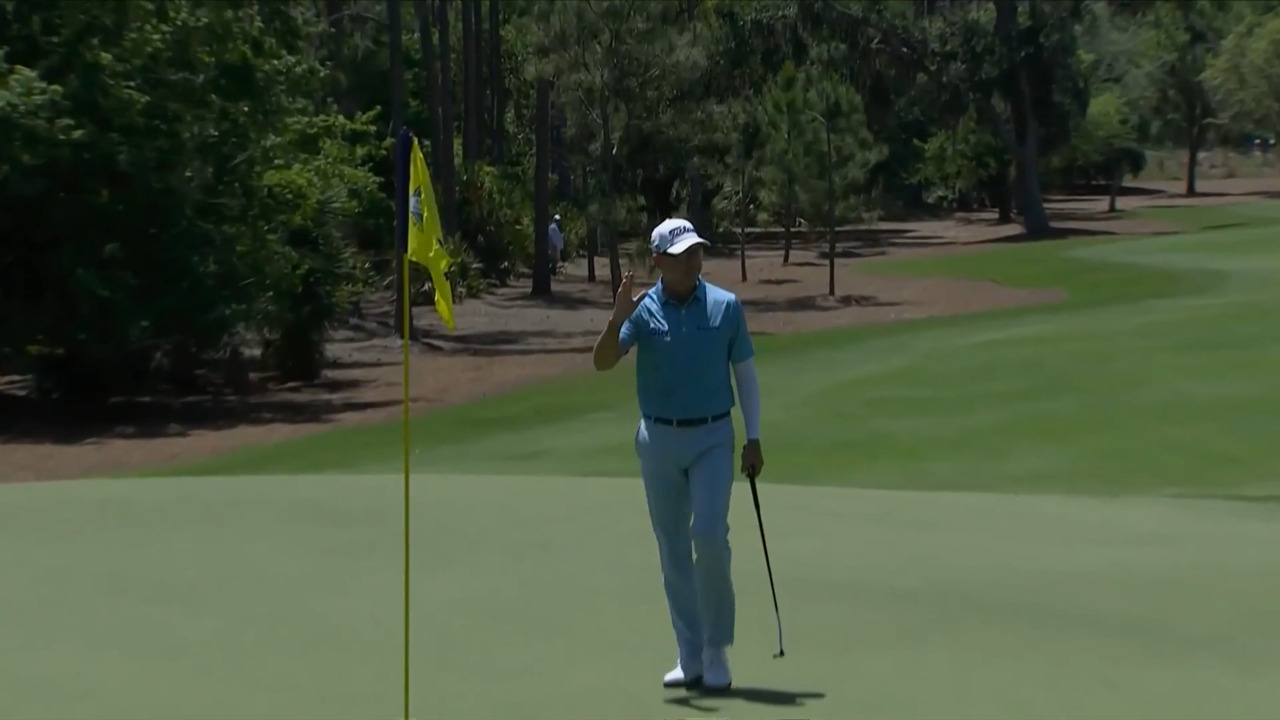

The compressed schedule presents both opportunity and challenge for players managing their preparation. "It's tough. I mean, it's not how I would prefer to draw it up, I would say," said Justin Thomas regarding the demanding stretch. "Majors are kind of what guys will generally build their schedule off of, what they need to do to prepare for a major."
"Going to very difficult courses into a major I don't think is probably how it would be drawn up for a lot of guys," Thomas added, noting that the Futures Competition Committee will consider such scheduling challenges as it works to revamp the PGA Tour model.
The six-week run carries a collective prize fund approaching $100 million, with signature events now routinely featuring $20 million purses. While the financial incentives are substantial, Spieth's focus remains squarely on securing his major championship status.
Moving up in the world rankings becomes progressively more challenging in the 50-60 range, making each tournament crucial for Spieth's qualification hopes. His Augusta performance demonstrated the form needed to compete at golf's highest level, but consistency over the coming weeks will determine whether he can avoid the awkwardness of requesting a US Open exemption.
With signature events at Doral and Quail Hollow still to come before the PGA Championship, Spieth has multiple high-profile opportunities to cement his top-60 status. The former world number one's recent resurgence suggests he's capable of the sustained excellence needed to secure automatic qualification for Shinnecock Hills.