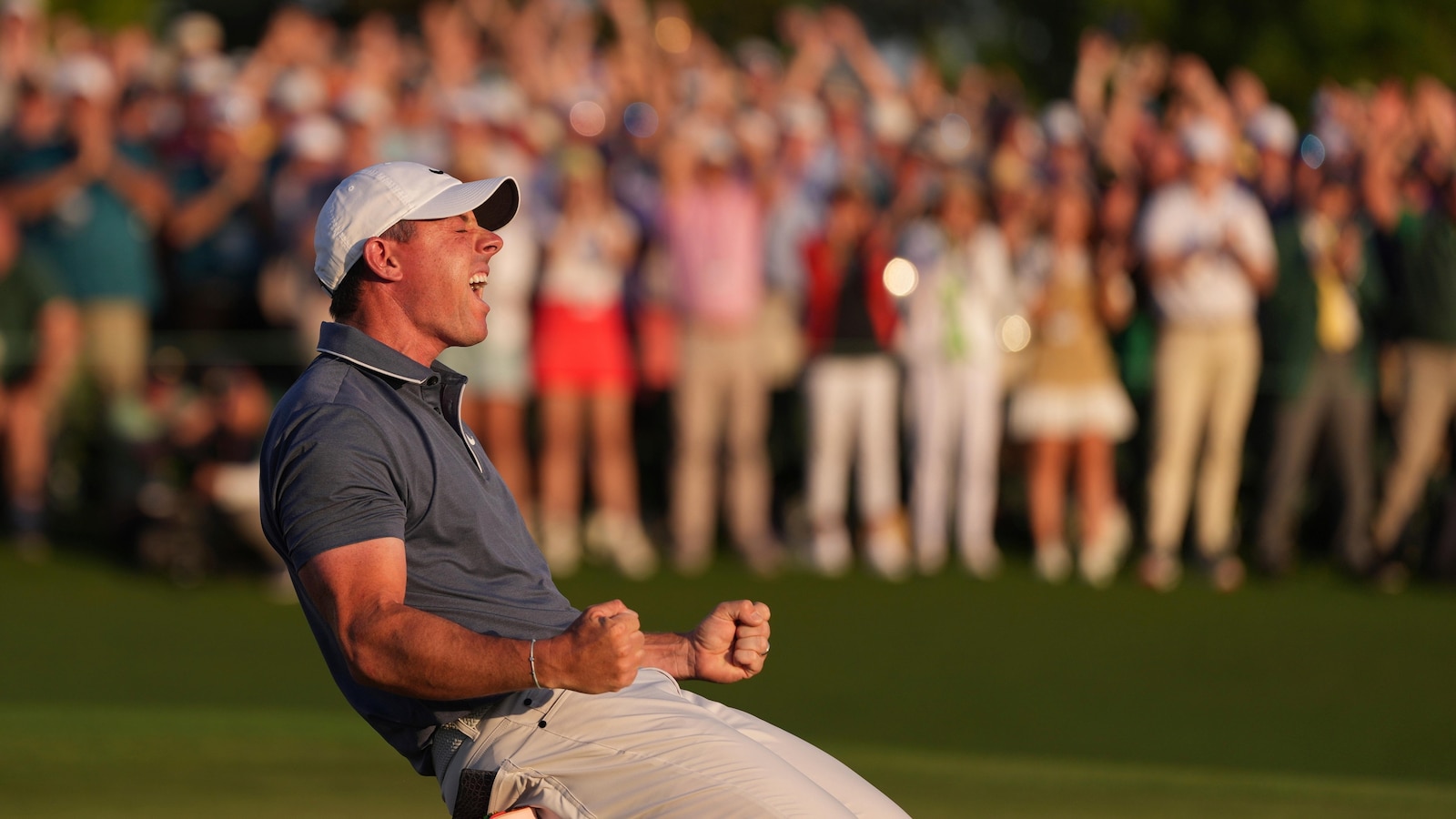
AUGUSTA, Ga. -- The weight of expectation has shifted at Augusta National. After 15 years of carrying the burden of being the best player never to win the Masters, Rory McIlroy arrives at the 2026 edition as defending champion, finally free from the suffocating pressure that defined his April visits.
McIlroy's dramatic playoff victory over Justin Rose last year ended one of golf's most compelling narratives. Now, as the 90th Masters begins Thursday, that psychological pressure transfers to a new generation of elite players still chasing their first green jacket.
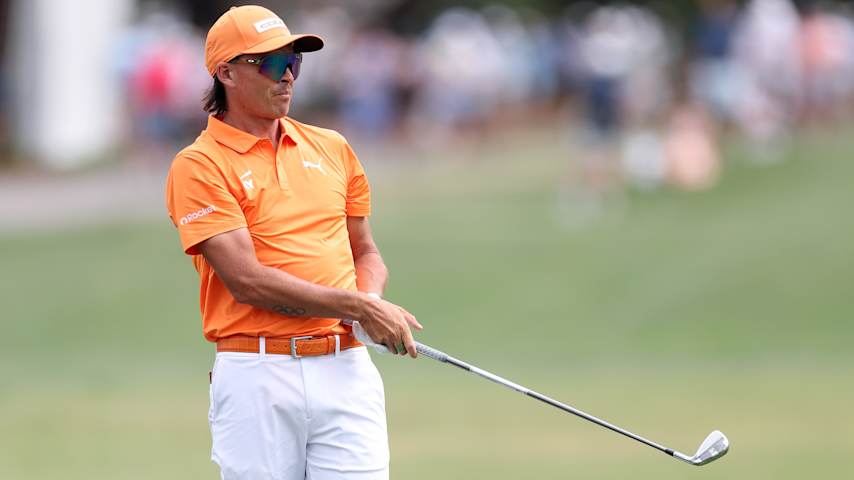
"What are we going to talk about next year?" McIlroy asked with a knowing smile after his breakthrough victory. The answer became clear as April approached – the focus would shift to players like Rose, Xander Schauffele, Bryson DeChambeau, and Brooks Koepka, all accomplished major champions who remain locked out of the Masters champions club.
The emotional release of McIlroy's victory – dropping to his knees on the 18th green after rolling in a three-foot birdie putt to claim the playoff – demonstrated just how much Augusta National means to the world's elite players. The combination of history, tradition, and lifetime membership creates a unique psychological challenge that separates the Masters from other majors.

"Augusta checks off that mental box because of history, knowing the holes coming and knowing what guys have done," Schauffele said, speaking from painful experience.
The two-time major champion has endured his share of Augusta heartbreak. He finished runner-up to Tiger Woods in 2019 and was the last man with a realistic chance to catch Hideki Matsuyama in 2021 until his approach shot to the par-3 16th found the water.
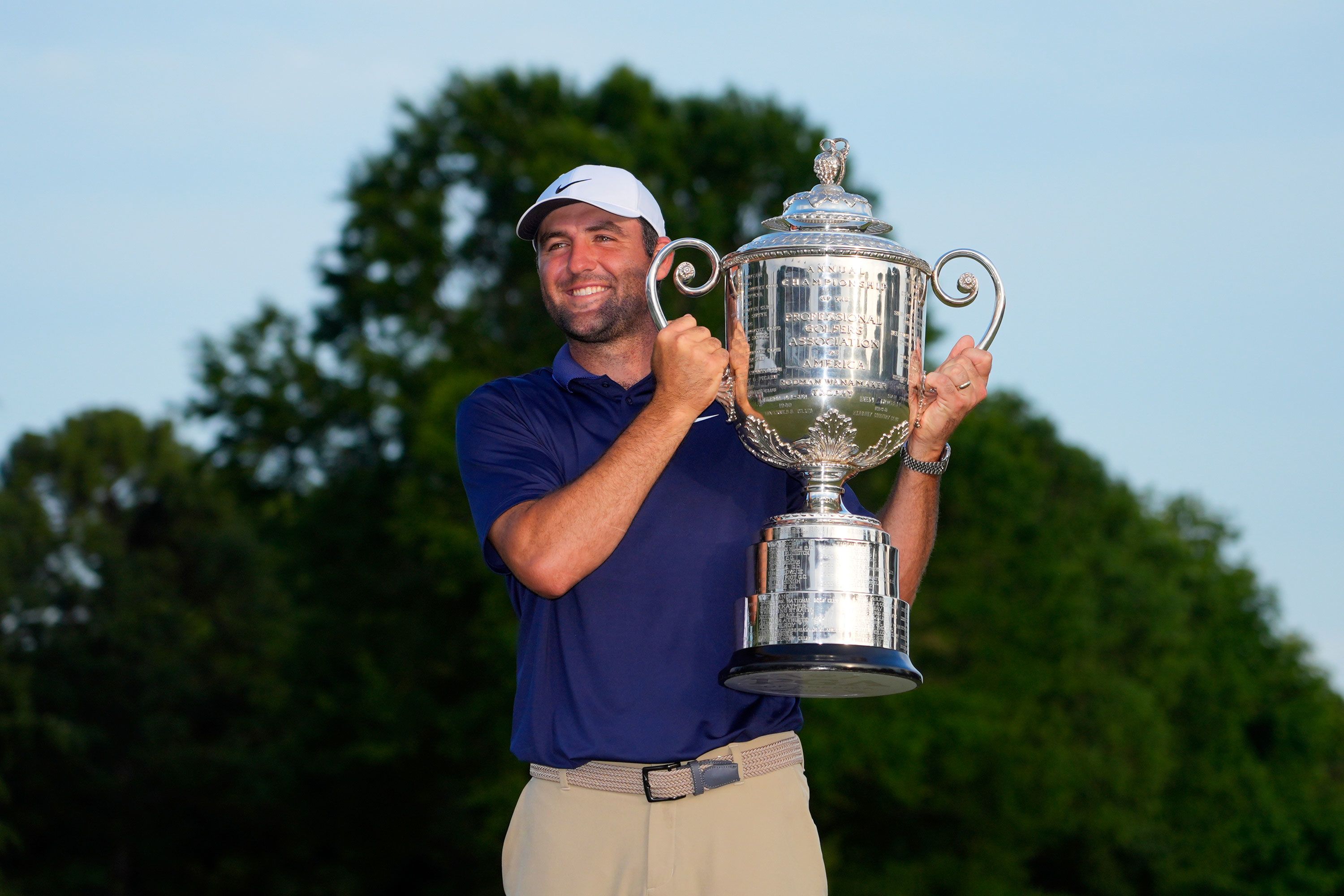
"Golf is such a mental sport, it really ticks that box in terms of being hard to win," Schauffele explained. "You have a one-shot lead going into 18 at Augusta, those trees have gotten a lot bigger and that window has gotten a lot smaller."
This year's field presents fascinating storylines beyond the established stars still seeking their first green jacket. The tournament will proceed without five-time champion Tiger Woods for the second consecutive year, following his arrest on suspicion of driving under the influence in March. Woods entered a not guilty plea and is receiving treatment outside the country with court approval.
Despite featuring the smallest field of any major – fewer than 100 players – the Masters maintains its reputation as perhaps the most difficult to win psychologically. The field includes six amateurs and seven past champions now eligible for senior golf, yet no Masters rookie has claimed victory since Fuzzy Zoeller in 1979.

This year's newcomers add intrigue to the championship chase. Three first-time participants – Chris Gotterup, Ben Griffin, and Jacob Bridgeman – rank among the world's top 20 players. Gotterup stands out as the only PGA Tour player with two victories heading into Masters week, following wins earlier in the season.
"That's the one course where not having played I know every hole there," Gotterup said after a scouting trip in March. "Everyone watches the Masters and knows Augusta National."
The anticipation builds after a 263-day gap since Scottie Scheffler's British Open victory at Royal Portrush last summer. Golf fans have endured the longest stretch without major championship action in decades, heightening excitement for the season's first major.
McIlroy enters with different expectations this time. As the sixth player to complete the career Grand Slam, he now pursues joining Tiger Woods, Nick Faldo, and Jack Nicklaus as the only back-to-back Masters winners. His preparation has been limited – just six competitive rounds including a withdrawal at Bay Hill due to back spasms – but the mental freedom appears liberating.

"It's all going to be about enjoying my week," McIlroy said. "The thing is, I know I get to go back to the Masters Tournament for the rest of my life. And that's quite a freeing feeling."
While McIlroy basks in his newfound freedom, the pressure intensifies on those still seeking their first green jacket. DeChambeau's power game offers obvious advantages at Augusta, but the mental challenge of closing out a Masters victory remains his biggest obstacle.
"Yeah, you're never rested out here, especially when you wake up going, oh, my gosh, I've got to hit what tee shots again? It's brutal with the OB on 15 to the right, pretty much hazard down the right at 7, and 6 -- it's a tough golf course," DeChambeau said, acknowledging the course's psychological intimidation.
As the 2026 Masters unfolds, the narrative shifts from McIlroy's quest for completion to a new chapter focused on who will join him in the champions club. The burden of being the best player without a green jacket now belongs to others, and Augusta National will test their resolve over four dramatic days.