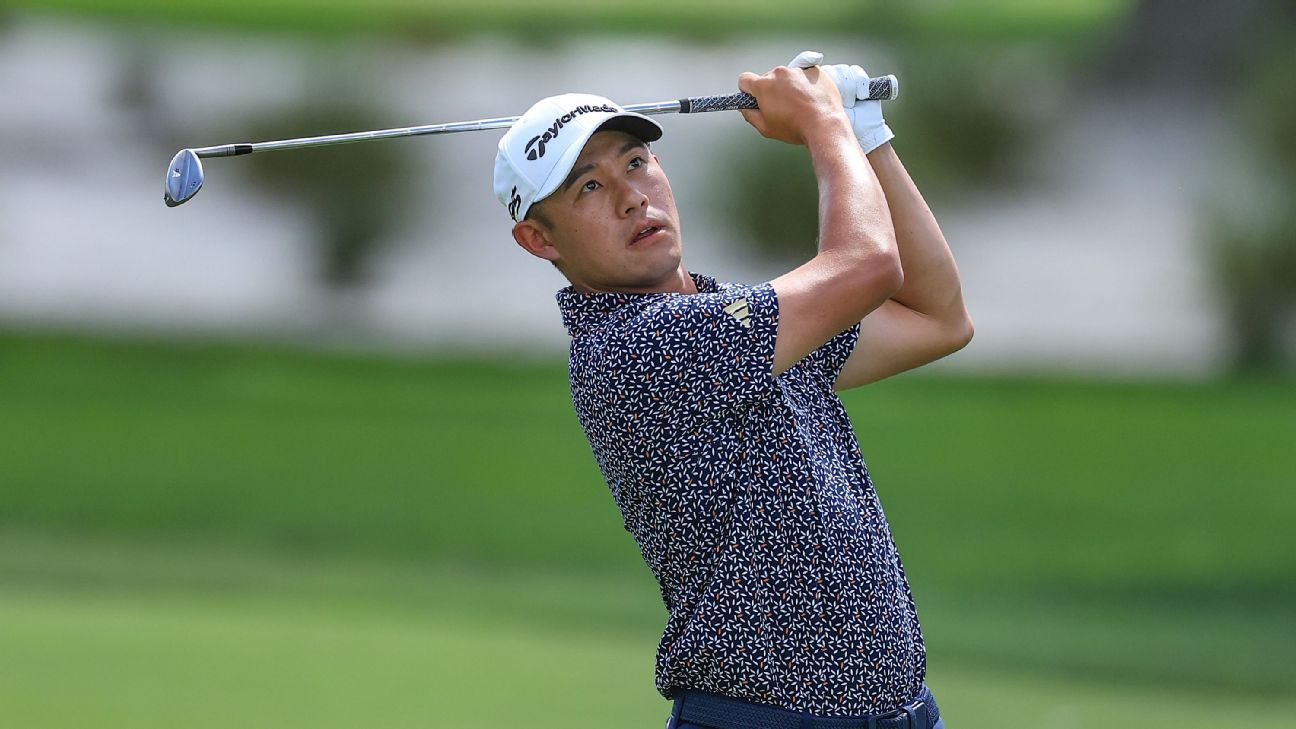
Two-time major champion Collin Morikawa will tee it up at Augusta National this week, despite battling persistent back issues that have disrupted what was shaping up to be one of his strongest seasons in recent memory.
The 27-year-old Californian has been sidelined since withdrawing from The Players Championship after just one hole due to back spasms, and he also pulled out of last week's Valero Texas Open as a precautionary measure.
"The honest truth is I'm taking it day by day," Morikawa said Monday during his pre-tournament press conference. "It's not exactly where I want to be, and it's unfortunate, but that's just the body, and I can't push it."
Morikawa's back troubles represent uncharted territory for the typically resilient competitor. Unlike previous injuries sustained during gym workouts, this swing-related issue has created both physical and mental challenges.
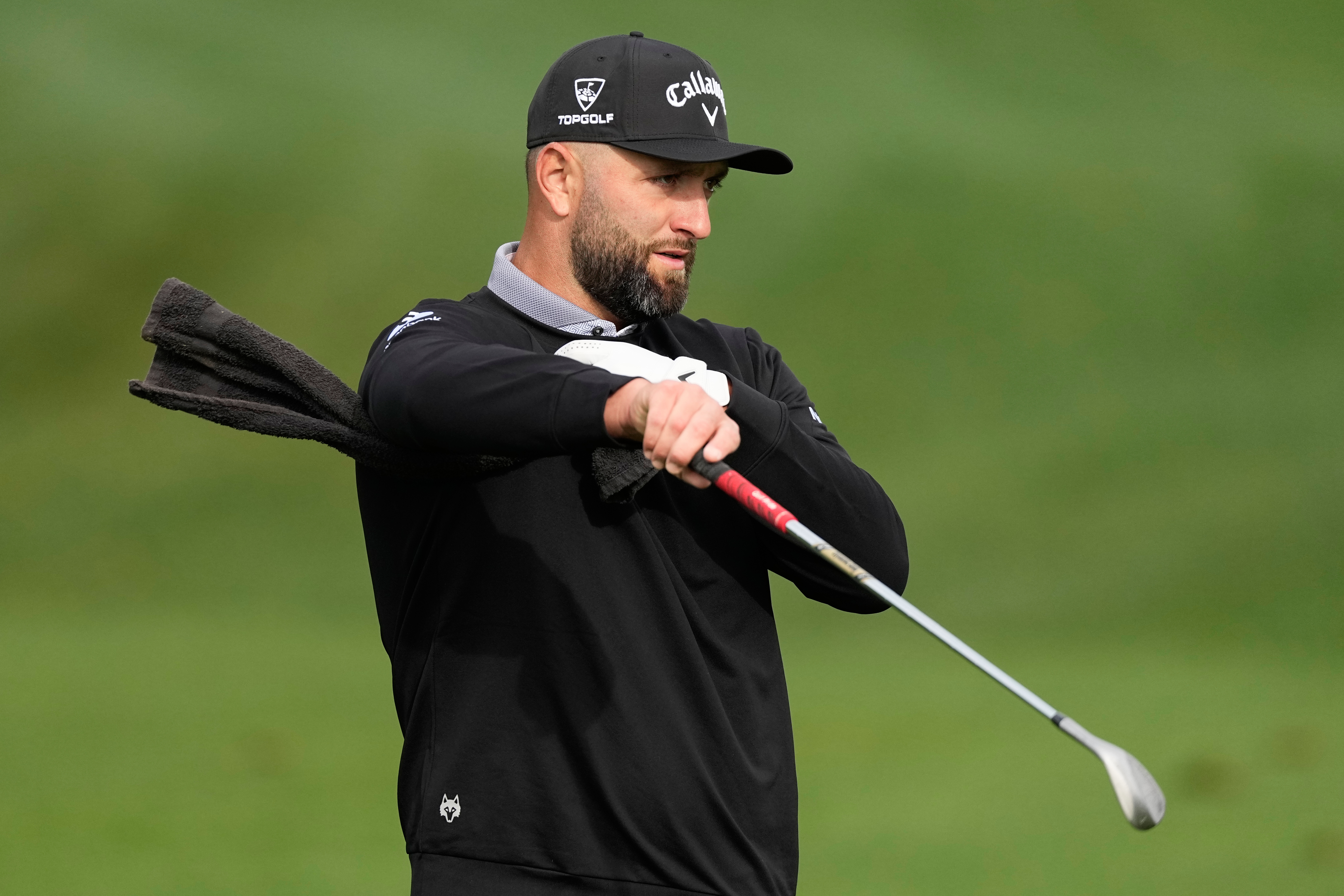
"I had never gone through this. I had hurt myself before and never had to worry about swinging on the golf course because a lot of the stuff I had done -- I hurt myself in the gym," Morikawa explained. "When you hurt yourself swinging, it's a completely different beast of itself because you just don't know. There's a little bit of a commitment, trust."
The injury's unpredictable nature became evident during his Players Championship withdrawal. "Yeah, I've had this stuff before, and been healthy all throughout the year, been moving weight and pushing, going fast. I don't know, like, before I even took my practice swing, it's like you had, like a weird, like deja vu thing. I took the practice swing and immediately knew, like, I just couldn't," Morikawa recalled about the muscle spasm that ended his tournament prematurely.
"It's been a little bit of a mental battle just trying to trust where it's at," Morikawa said. "The back actually feels fine. It's just other parts of the body not cooperating a little bit how I want."
The timing of this injury is particularly frustrating given Morikawa's strong early-season form. His victory at the Pebble Beach Pro-Am in February, combined with two additional top-10 finishes, had positioned him for what appeared to be a breakthrough year. He currently leads the PGA Tour in strokes gained: approach, showcasing the iron play that has been his trademark strength.
However, the current physical limitations are forcing him to completely reimagine his strategic approach to golf's most demanding test. Augusta National's undulating terrain and precise shot requirements typically favor players operating at full physical capacity.
"It's frustrating, but at the same time, I can't do anything stupid and push my body in a way it doesn't want to do," Morikawa said. "Sometimes you've got to find other ways to get around a golf course. So I'm kind of making a different game plan than I think I've come up with in the past. Some shots that you might be able to hit in the past, you might not be able to hit right now. But yeah, it's a work in progress."
The adjustment period extends beyond course management to basic physical activities. "Yeah, if I had to lift stuff and move around. I mean, I'm not back squatting or front squatting anything. I kind of know the protocols of what to do and kind of dance around it. But it's going to take a little bit of time," he noted about managing daily routines while protecting his back.
Morikawa did manage to complete a practice round at Augusta National on Monday, providing valuable insight into his current capabilities. He emphasized that while his approach shots may be compromised, other aspects of his game remain sharp.
"I just got to be able to get the ball [to the green], which is like the opposite of how I've been, I think, my entire career," Morikawa said. "It's just part of it. I think however and whenever I get out of this little back stuff and body stuff, just go out and trust the things that I've been doing, and hopefully they click again."
Despite the physical challenges, Morikawa remains cautiously optimistic about his chances at Augusta. His short game and putting feel remain in excellent form, potentially providing alternative pathways to competitive rounds even if his trademark precision with longer irons is temporarily diminished.
The mental aspect may prove more challenging than the physical limitations. Playing through uncertainty about when his back might flare up again requires a level of trust and commitment that Morikawa admits he's still developing.
As the Masters field prepares for one of golf's most prestigious events, Morikawa's situation will be closely monitored. His ability to adapt his game plan while managing physical limitations could provide valuable insights into the mental resilience required at golf's highest level.
The tournament begins Thursday, and Morikawa's participation represents both a calculated risk and an opportunity to prove that elite-level golf can transcend temporary physical setbacks through strategic adaptation and mental fortitude.