
The most consequential rule change in elite golf in a generation is starting to draw open dissent from the players it will most affect. With the USGA and R&A scheduled to roll back testing standards for the golf ball used at the highest level of the men's game from 2028 — and recreational players following in 2030 — a growing chorus of touring professionals is publicly arguing the regulation is the wrong fix to the wrong problem.
Golfweek reported on Thursday that PGA Tour players are increasingly saying "no" to the rollback as the implementation date moves closer. The split is now visible across the men's professional game, with significant resistance coming from LIV Golf as well as the PGA Tour, and the governing bodies pressing back through the most powerful figure in tournament golf.
The most prominent voice in opposition has been Bryson DeChambeau, the two-time U.S. Open champion who built his career on a distance-first model. Speaking earlier this year, DeChambeau argued that today's drivers and modern equipment are not the dominant cause of distance gains.
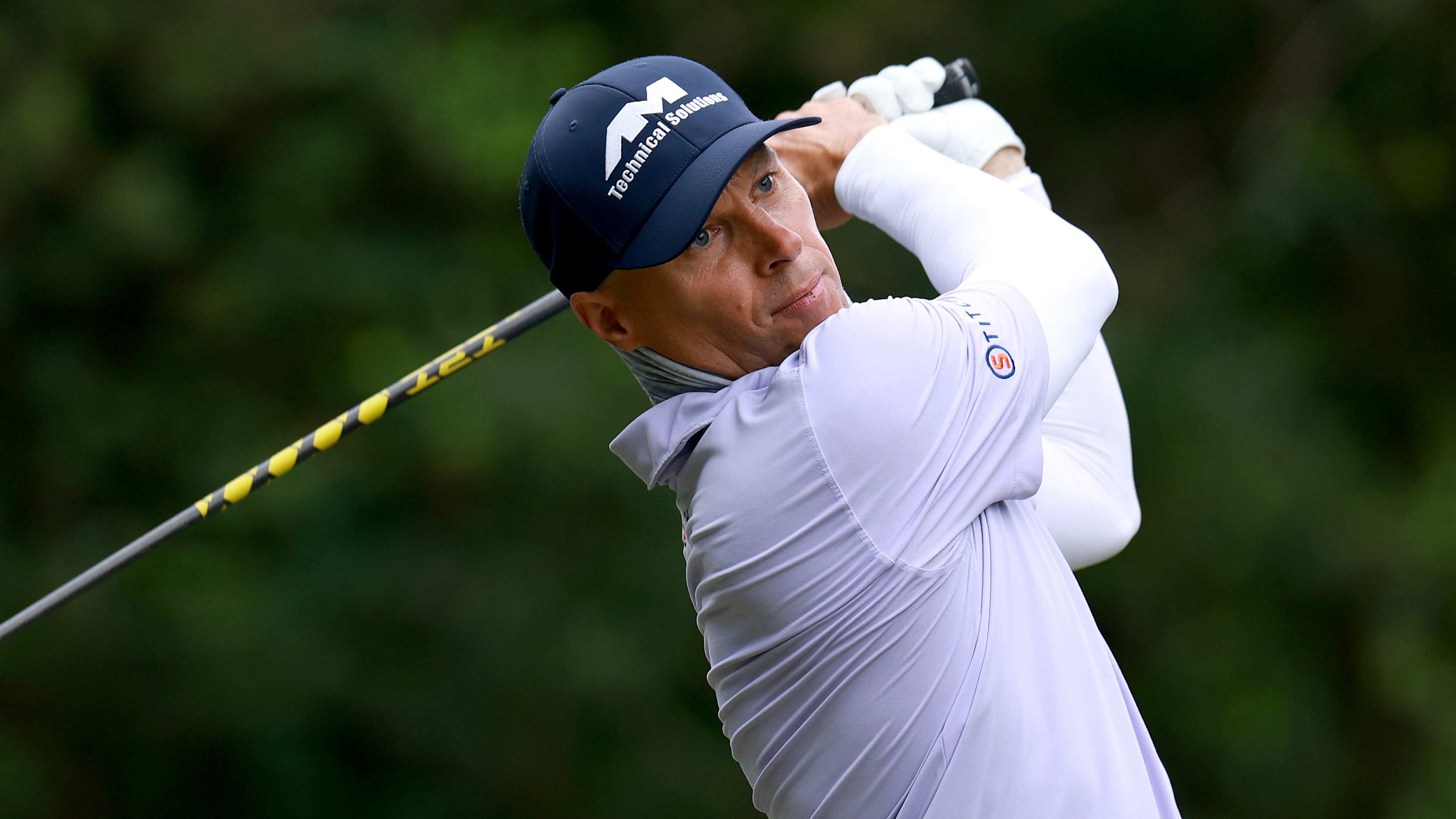
"Are they trying to preserve the traditions and history of the game, or are they trying to grow the game," DeChambeau said, "because those are two different things."
DeChambeau has framed the rule as a deterrent for new participants, suggesting the message it sends to junior golfers contradicts the sport's growth ambitions, and arguing that distance gains over the past decade owe more to athleticism, fitness and aggression than to ball or driver technology.
Paul Casey, his Crushers GC teammate, has taken a similar position, defending equipment companies for following innovation cycles and arguing that today's tour pros do not get adequate credit for their athletic improvements. Casey said manufacturers are simply "doing what they do" and added that "players don't get enough credit as athletes" in conversations about the distance debate.
Anirban Lahiri, who plays out of Gaslighters GC on LIV, framed the issue as one of course design rather than equipment. Pointing to layouts such as Valderrama in Spain, which plays a US Open-level test at well under modern major yardage, Lahiri argued: "It's not just about equipment."

The pushback from inside the playing ranks puts the governing bodies and the game's biggest stakeholders in an uncomfortable position. Their most public ally remains Augusta National chairman Fred Ridley, who used his Masters week press conference to reaffirm that the change must happen.
"My feeling on this subject is failure's not an option," Ridley said. "I think we need to continue to work together to come to some agreement."
Ridley framed his support around the kind of test the men's professional game has become and the cost it imposes on the broader sport. He said the modern game has narrowed strategically and that the maintenance and design implications of distance growth have become unsustainable.
"Until recent years golf has been a game of imagination, creativity and variety. The game has become much more one-dimensional," Ridley said.
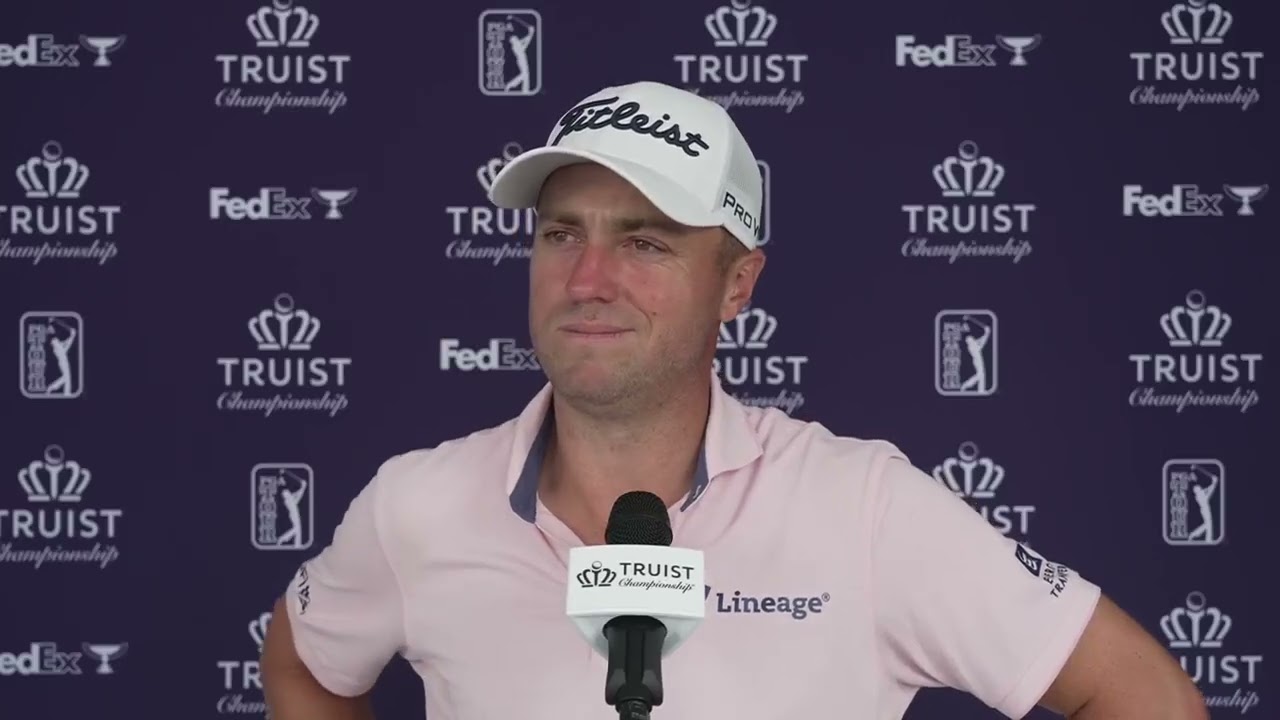
"As players drive the ball prodigious distances and routinely hit short irons into par-4s and even some par-5s, this issue goes beyond competitive impacts," he added. "Increased course length results in more time, more cost, and more environmental concerns."
For recreational golfers, the chairman pointed to USGA and R&A modelling that suggests the change will barely register on a typical clubhead speed. The biggest hitters at tour level, by contrast, are projected to lose somewhere between 15 and 20 yards off the tee.
"The data that has been shared with all stakeholders makes one thing clear: The impact to the recreational game will be immaterial," Ridley said.
The PGA Tour's leadership has yet to formally adopt the new ball as a competition condition for its events, and reports earlier this year suggested the rollback timeline could yet be pushed back to 2030 if the governing bodies and stakeholders cannot reach agreement. With the field for next week's PGA Championship at Aronimink including the very players whose driving distance is at the centre of the debate, the conversation is unlikely to fade in the build-up to the year's second major.