The landscape of professional golf has shifted dramatically since the height of the PGA Tour-LIV Golf battle that dominated headlines during the 2023 Masters at Augusta National.
Three years ago, the Saudi Arabian-backed upstart tour posed an existential threat to the established order, aggressively poaching marquee players and making bold proclamations about becoming golf's dominant circuit. The tension was palpable at Augusta, where nearly every golfer faced questions about defections and the sport's uncertain future.
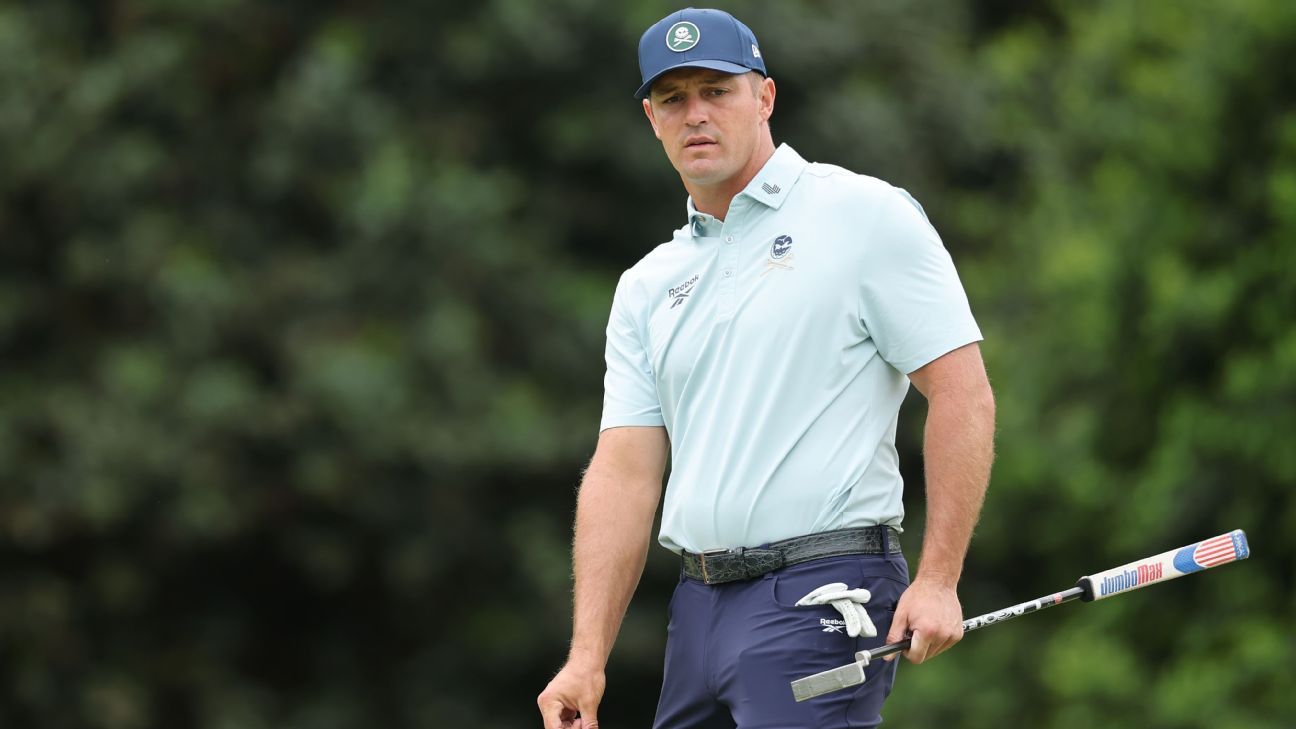
LIV players wore team uniforms during competition as a show of unity, though many brought alternatives in case Augusta National banned them. The tour's leadership spoke confidently about validation through a potential major championship victory.
"It would be nice to validate the amount of talent that is over there on LIV," said Phil Mickelson at the time. Then-LIV CEO Greg Norman envisioned a celebration if one of their players won: "Could you imagine what a scene that would be?"
Augusta National chairman Fred Ridley wasn't impressed, declining to invite Norman while welcoming PGA and DP World Tour leaders. "The primary issue ... is that I want the focus this week to be on the Masters competition," Ridley explained.
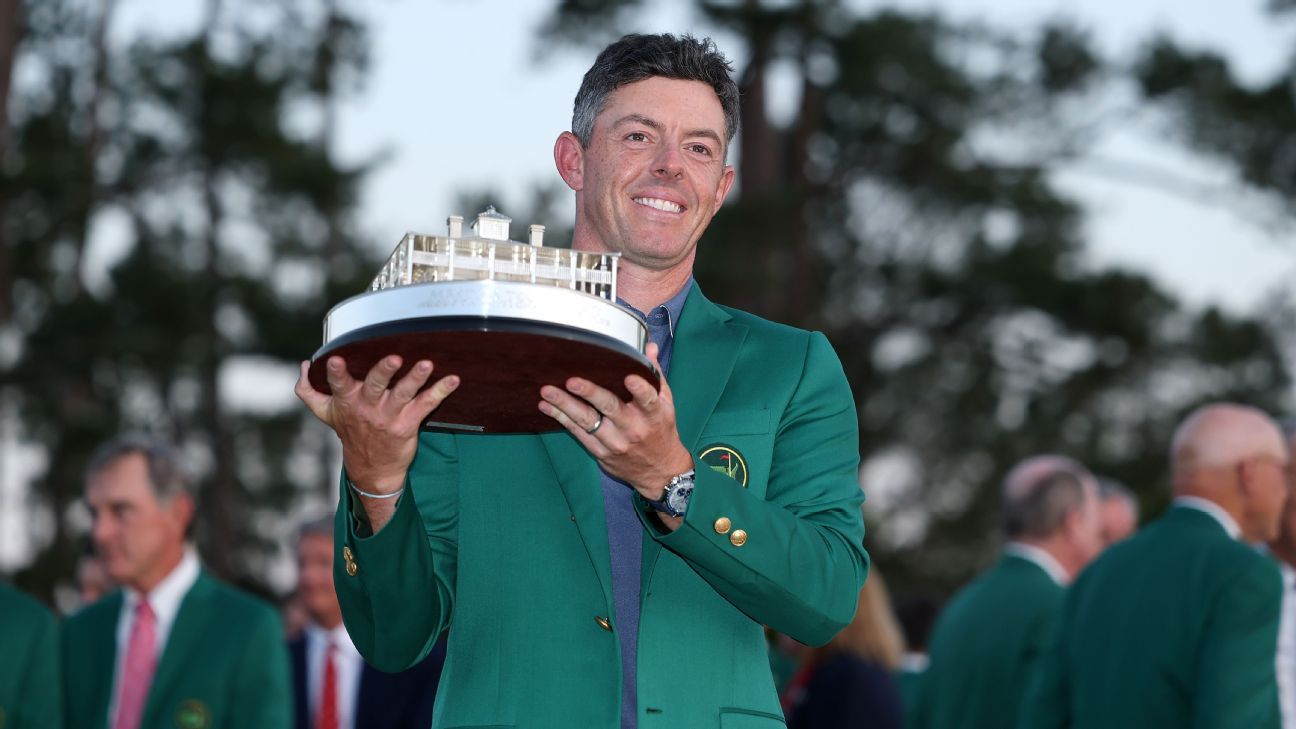
The anticipated LIV party never materialized as Jon Rahm, then representing the PGA Tour, claimed the green jacket. Ironically, Rahm would join LIV eight months later for a reported $300-plus million deal, highlighting the uncertainty that gripped the sport.
"I don't know where the world is going to be next year or two years," Ridley admitted at the time.
Today, that uncertainty has largely evaporated. The PGA Tour has regained its footing, boasting superior competition, television ratings, and player talent. LIV has established itself as a viable global tour, operating 14 events across 10 countries on five continents, but no longer threatens the PGA Tour's existence.
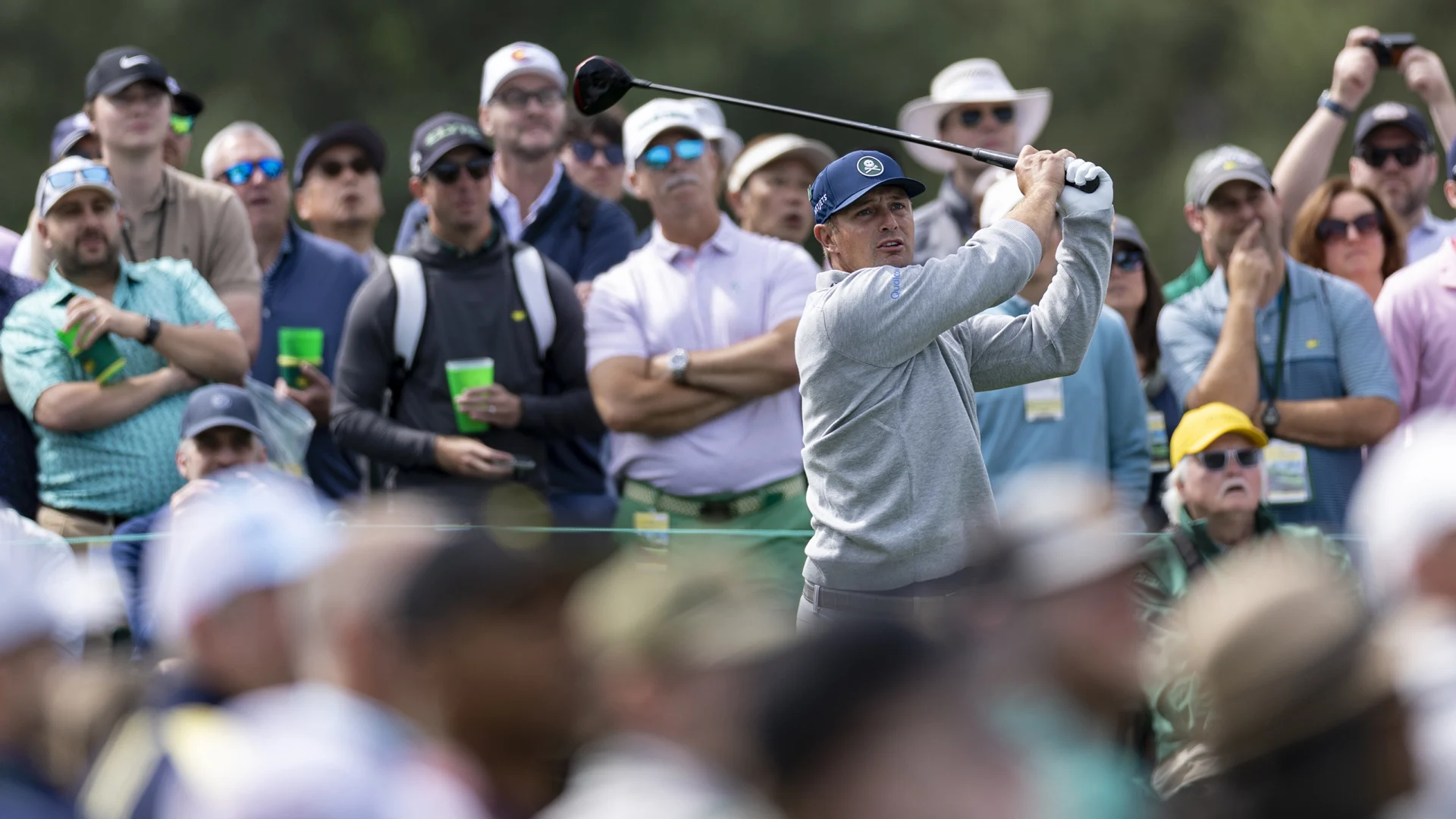
The most telling indicator is this year's Masters field, which features just 10 LIV players compared to previous years. High-profile defections back to the PGA Tour include Patrick Reed and Brooks Koepka, who cited various factors for their return.
"I really just kind of was sitting back and realizing that I wanted to get back not only ... on the PGA Tour but get back to the traditional way of golf and playing," Reed explained Monday at the Masters. "I wanted that back; I wanted that adrenaline back."
The PGA Tour's confidence in its position is evident in its "Returning Member Program," which requires substantial financial penalties for defectors seeking to return. Koepka paid a $5 million charity donation as part of his return.
"It's meant to hurt, it does hurt," Koepka told the Associated Press last year. "But I understand. It's not supposed to be an easy path."
Speculation has shifted from who might leave the PGA Tour to who might return. Attention focuses on Bryson DeChambeau, whose LIV contract expires at year's end, and potentially Rahm and others in the future.
However, the ambitious proclamations of 2023 have faded. Gone are predictions like Cam Smith's assertion that "as the LIV Tour grows and the fields get deeper and stronger and all that stuff unfolds, it's just going to be better and better."
The public has largely dismissed LIV's 54-hole format and shown little interest in the team competition aspect that differentiates it from traditional professional golf.
What began as a potential revolution in professional golf has evolved into a settled coexistence, with the PGA Tour reasserting its dominance while LIV carves out its niche in the global golf landscape.