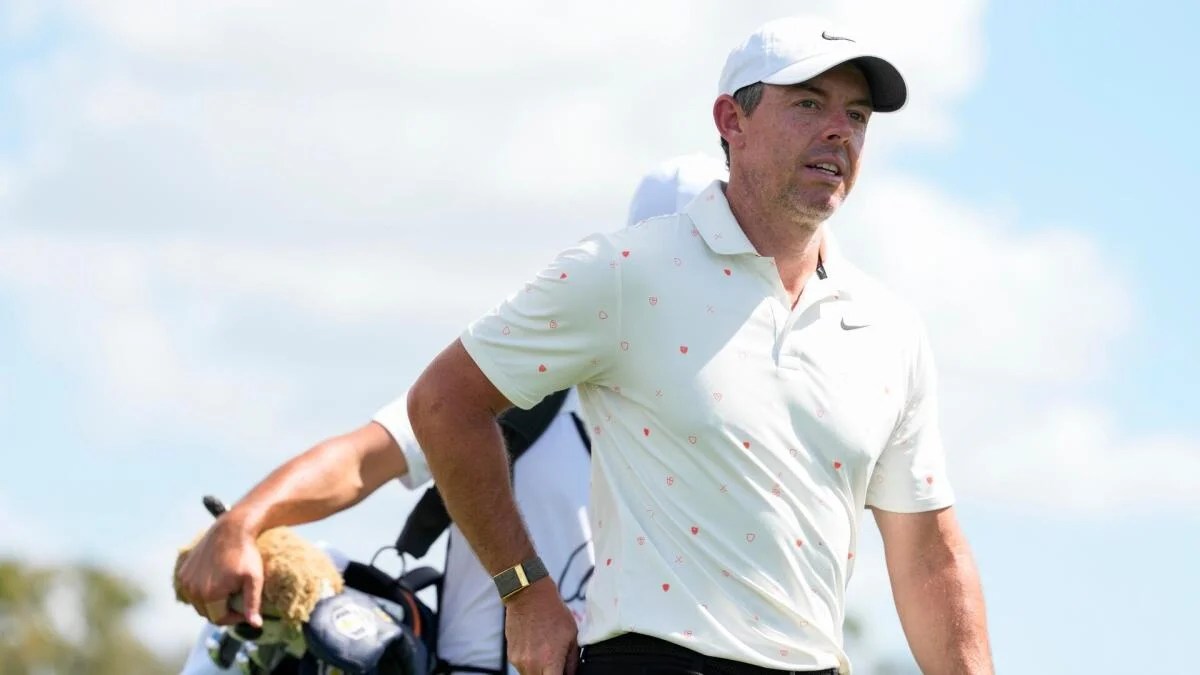
Rory McIlroy's recent withdrawal from the Arnold Palmer Invitational highlights not only his physical challenges but also the intricate decision-making process elite athletes face. The 2026 tournament, where McIlroy had to step back due to a back injury, offers insights into the fragility and resilience present in professional golf.
"It’s easy to romanticize the idea of playing through pain, but McIlroy’s move highlights a deeper truth: sometimes, the bravest choice is the one that looks like surrender," said one sports analyst, emphasizing the gravity of McIlroy's decision.
With critical tournaments on the horizon, including The Players Championship and the Masters, McIlroy’s choice was laden with strategic implications. His withdrawal was not a decision made lightly; it represented a mature understanding of his long-term health and performance. As the reigning champion at both upcoming events, McIlroy needed to weigh current challenges against his future legacy.
McIlroy's exit from a tournament is exceedingly rare and underscores his typically robust nature. "This is his first mid-tournament exit in 13 years, a testament to his durability and commitment," noted a golf commentator. Yet, the decision reflects a response to mounting physical demands, raising the question of why this moment required such action.
Back injuries are notably prevalent in golf, often stemming from the sport's repetitive motions. This reality illustrates how even the most elite players are not immune to physical setbacks. "A small twinge in the morning becomes muscle spasms by midday, and suddenly, a tournament is over," pointed out a veteran golf analyst, underscoring how quickly the situation can change.
“McIlroy’s withdrawal is a reminder of the physical toll of excellence,” said one expert. Such injuries push the conversation around athletic culture, specifically the tendency to glorify perseverance through pain. In a sport where physical prowess is paramount, McIlroy’s emphasis on health over immediate competition stands in stark contrast to traditional views.
The broader implications of McIlroy's decision ripple through the golf landscape. "The Arnold Palmer Invitational loses one of its biggest draws, while The Players Championship gains a rested contender, and the Masters narrative shifts slightly," speculated a sports editor. His absence not only affects his performance but could also open doors for other players seeking opportunities to shine in his stead.
As discussions evolve about McIlroy's recovery and future tournaments, analysts encourage fans to rethink the dynamics of athletic competition. "Is it the spectacle of competition, or the longevity of a career that we value most?" queried a noted commentator. Such reflections may hold value beyond just McIlroy, applying to the athlete community as a whole.
As McIlroy prepares for the upcoming tournaments, the question remains: will he return to form in time for key competitions, and how will this injury impact his playing style and strategies moving forward? With the stakes as high as ever, the golfing world watches closely, eager to see how this saga unfolds.
