Former PGA Tour professional turned analyst Brandel Chamblee has delivered another provocative take on golf's governing bodies, this time targeting the USGA's planned distance roll-back as insufficient to address the sport's escalating power game.
The outspoken commentator, known for his controversial opinions since retiring from professional play, shared his views during a Q&A session with Golf WRX. His latest critique focuses on what many consider one of golf's most pressing challenges: how to preserve classic courses in an era of ever-increasing driving distances.
"With all due respect to the USGA and the R&A, the proposed roll-back will not sufficiently slow the best players down," Chamblee explained. "They will recoup the distance lost very quickly, especially if the current trend in the game to widen corridors, cut down the trees and rough continues."

Chamblee's concerns stem from the growing disparity in swing speeds among professional golfers. He pointed to current tour statistics to illustrate his point about the relentless march toward longer distances.
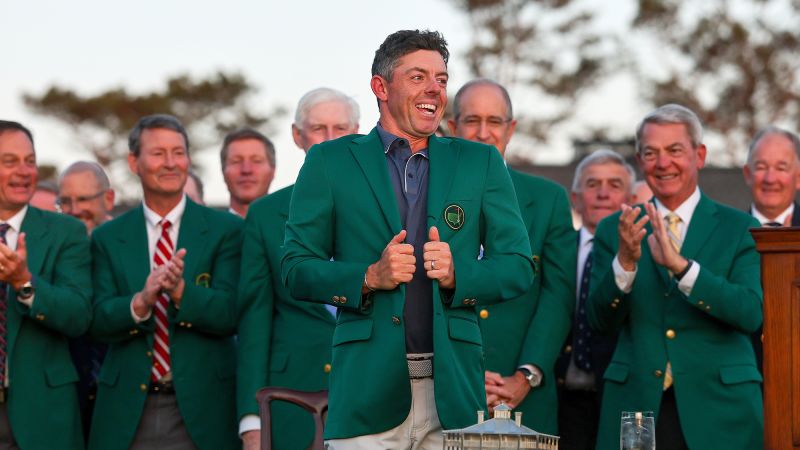
"The average clubbed speed on the PGA Tour is around 116 mph, but there are people who can swing upwards of 150 mph, and that gap is going to close inexorably going forward," Chamblee said.
The analyst believes the USGA's approach fails to address the fundamental issue threatening golf's most prestigious venues. As players continue hitting the ball farther each season, historically significant courses risk becoming obsolete, unable to provide the strategic challenges they once presented.
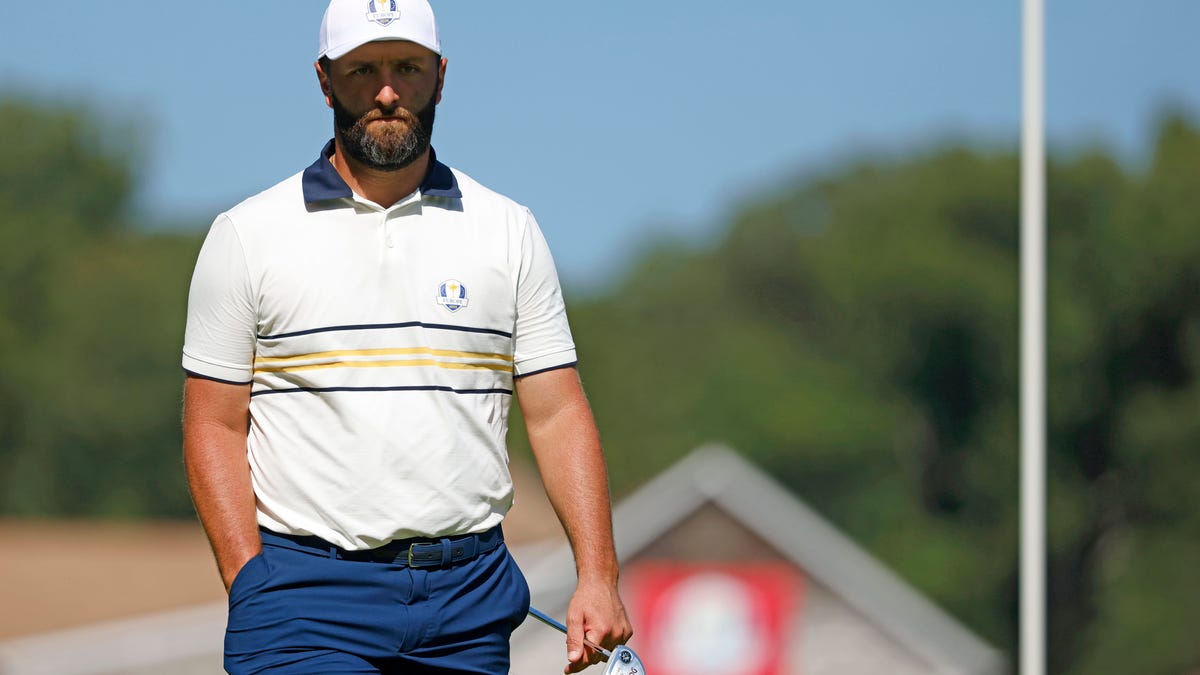
Chamblee proposed more drastic solutions to combat the distance explosion. "This is a way of saying that the only way to slow the best players down and bring back longer more momentous shots, is to either bifurcate the game, or have an Augusta National golf ball made that must be used in the tournament," he said.
However, the former tour player acknowledged the practical challenges of implementing such sweeping changes. "I don't see the latter happening, and the former would take a decade or more to implement, unfortunately," Chamblee admitted.
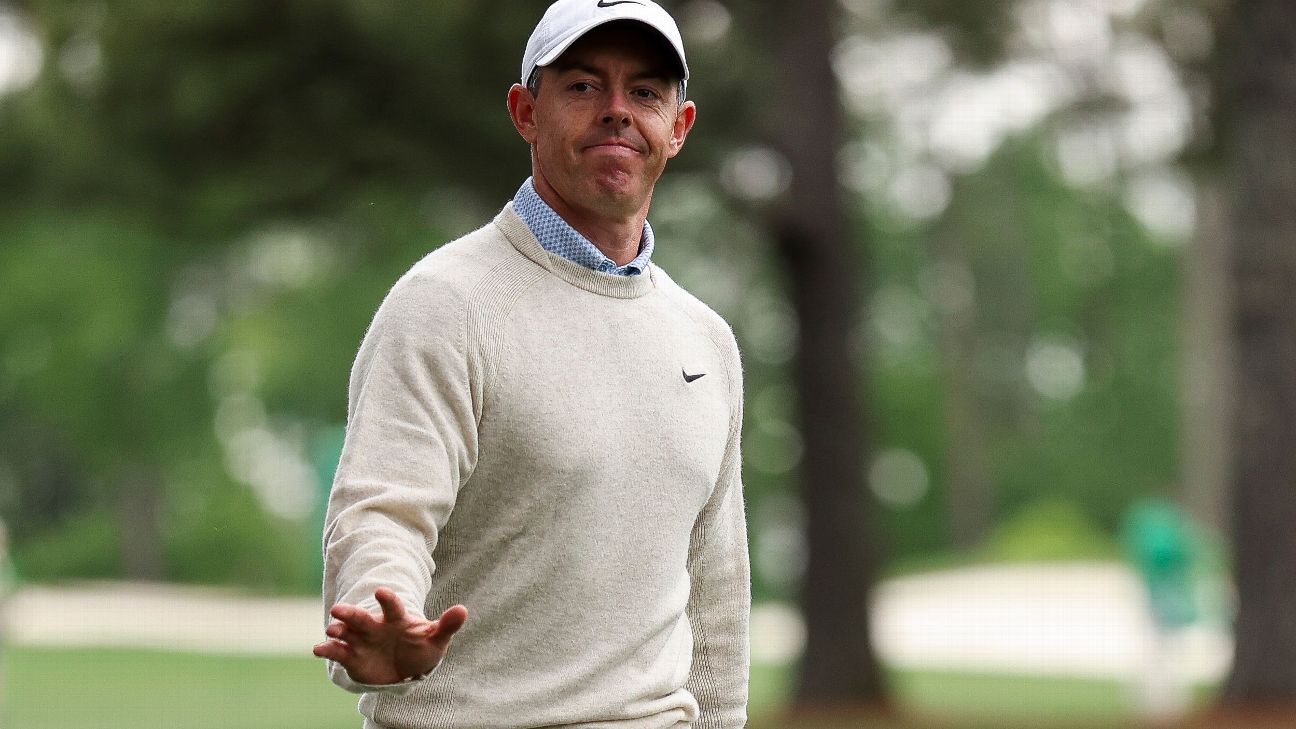
While critical of the governing bodies' approach, Chamblee praised Augusta National Golf Club for its proactive response to technological advancement. The home of the Masters Tournament has become his model for successfully adapting to the modern game.
"There is no golf course that I know of that has kept in step with the technological advances in equipment and the physical changes in the players better than Augusta National," Chamblee said. "Thankfully, more often than not, the Masters still gives us the most compelling and dramatic Sundays in golf."
Augusta National has repeatedly lengthened its layout over the years, now capable of stretching to nearly 7,600 yards when needed. This aggressive approach to course modification has helped maintain the strategic integrity that makes the Masters one of golf's most compelling championships.
Yet Chamblee recognizes that Augusta's solution isn't universally applicable. The club's vast resources and available land make it an exception rather than the rule in golf course management.
The debate over distance regulation has intensified as governing bodies prepare to implement new equipment standards. The USGA and R&A have spent years studying the issue, seeking solutions that preserve golf's traditions while accommodating modern athletic ability and technology.
Chamblee's criticism reflects broader concerns within golf's professional ranks about whether proposed changes go far enough. His suggestion of tournament-specific equipment or separate rules for professionals versus amateurs represents one of the more radical approaches to addressing distance concerns.
As golf continues wrestling with these fundamental questions about its future direction, Chamblee's commentary ensures the debate remains front and center. His willingness to challenge conventional wisdom has made him a polarizing but influential voice in professional golf discussion.
The ultimate test of any distance regulation will come when new rules take effect, revealing whether golf's governing bodies have struck the right balance between tradition and progress.