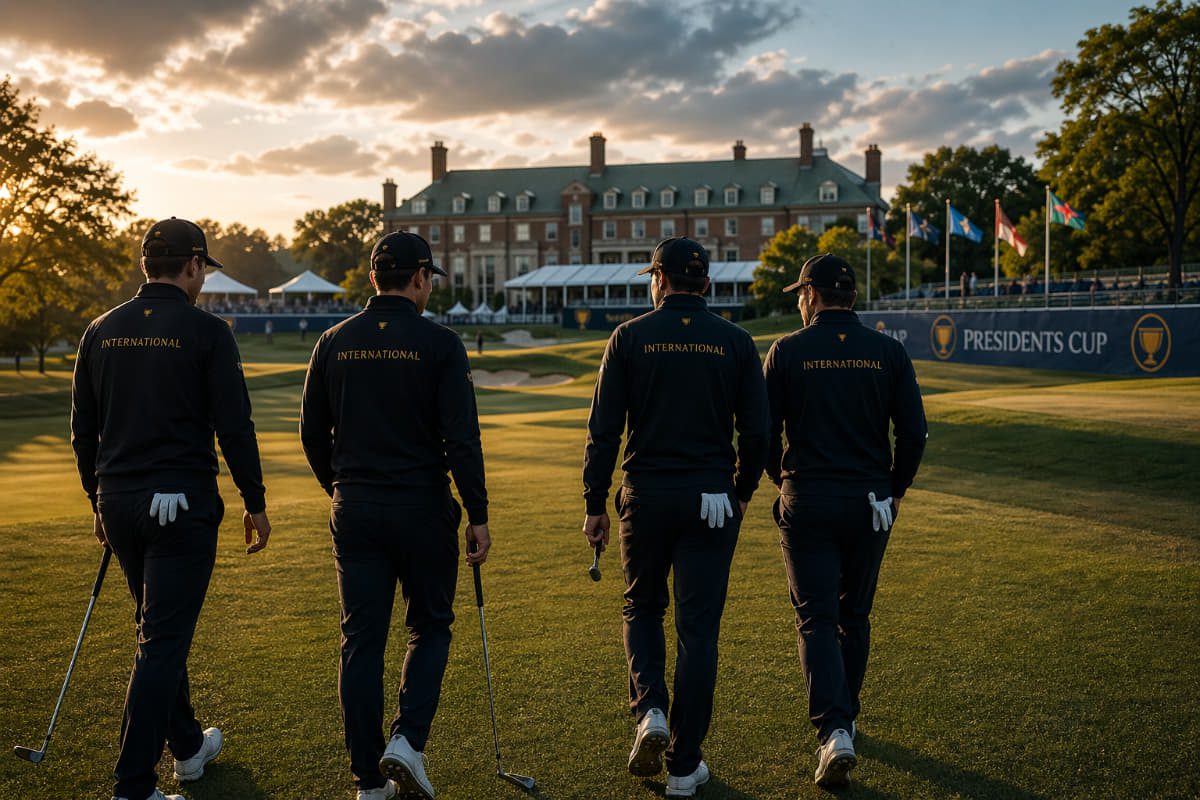
The Presidents Cup returns to Medinah Country Club in late September 2026, and the challenge facing International captain Geoff Ogilvy extends far beyond selecting twelve talented golfers. After three decades of American dominance, the path to victory requires solving a fundamental chemistry problem that has consistently undermined International hopes.
The numbers tell a stark story. Team USA owns 13 victories compared to just one outright International win at Royal Melbourne in 1998, plus the memorable tie at Fancourt in 2003. This lopsided record reflects more than a simple talent gap between the teams.
While the Americans typically arrive with built-in relationships forged through college golf, junior programs, and shared PGA Tour experiences, the Internationals must construct team chemistry from scratch. Players from different countries, golf cultures, and competitive backgrounds face the daunting task of becoming a cohesive unit in just four practice days.

The pressure of match play exposes these chemistry gaps ruthlessly. Unlike stroke play where mistakes belong solely to the individual, team golf spreads every poor shot across partnerships. A wayward drive doesn't just cost one player – it can shift club selections, alter tempo, and change the entire dynamic between partners.
Real partnerships reveal themselves in subtle moments: one player instinctively knowing what his partner needs, caddies stepping aside when a glance completes a conversation, or maintaining composure when shots go awry. These elements cannot be manufactured through team meetings or motivational speeches.
Former International captain Ernie Els recognized this challenge before the 2019 Presidents Cup at Royal Melbourne. His approach treated team building as strategic planning rather than pageantry, studying personality fits and arranging practice rounds months before the competition. Most significantly, Els introduced the shield as a unifying symbol.
The shield represented more than ceremonial decoration. For years, the International side carried the burden of being defined by what it wasn't – not American, not European, not even representing a single nation. The shield provided a shared identity that transcended geography and survived beyond tournament week.
This symbolic unity helped create the foundation for competitive matches. Players like Adam Scott, who has experienced multiple Presidents Cup cycles, understand how crucial these intangible elements become when facing elite American opposition.
The International roster consistently features world-class talent capable of competing with any American lineup. The challenge lies in transforming individual excellence into collective strength within the compressed timeline of Presidents Cup week.
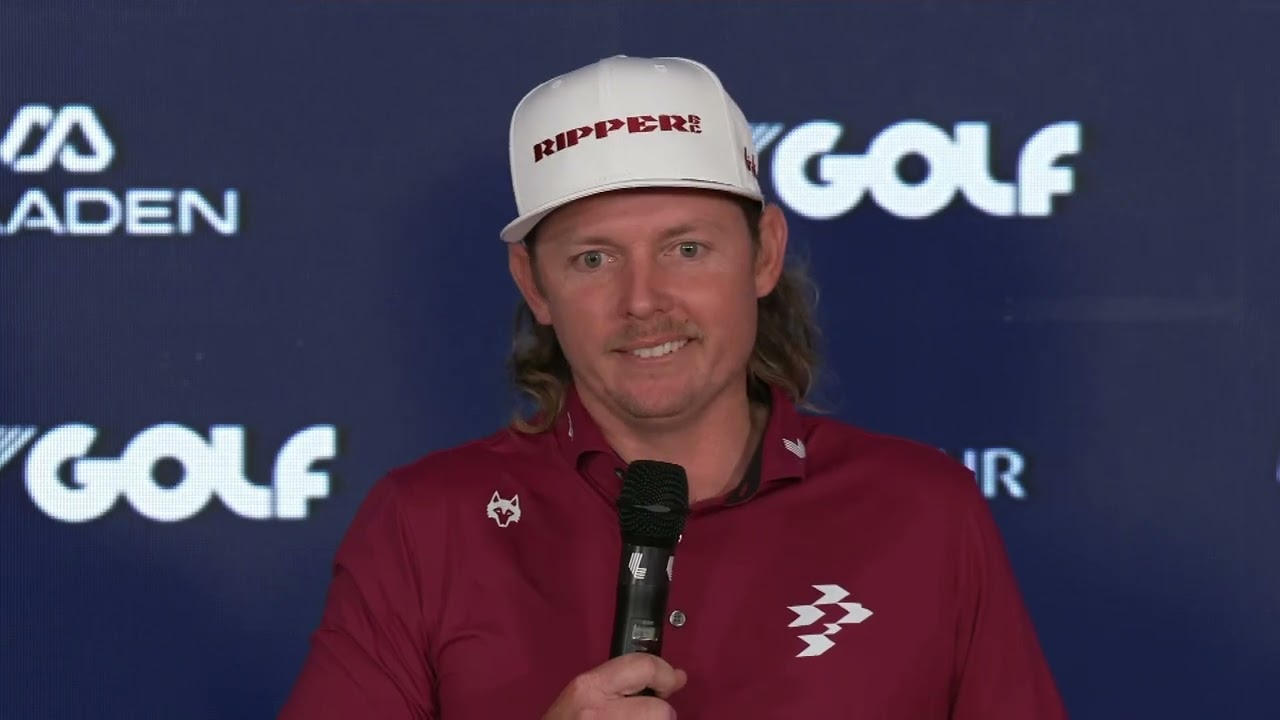

Ogilvy inherits this complex puzzle as he prepares for Medinah. The venue itself carries significance, having hosted major championships and providing a neutral ground where International chemistry can develop without the home-field advantage that aided their 1998 breakthrough at Royal Melbourne.
Success requires moving beyond the traditional model where Internationals spend the opening days learning to trust each other while Americans build early leads. The foundation must be established well before players arrive at Medinah, through careful relationship building and strategic pairing decisions.
The talent exists within the International ranks to challenge American supremacy. Players from Australia, South Africa, Japan, South Korea, and other nations bring diverse skills and competitive fire to the team room. Converting that individual brilliance into match-play magic remains the central challenge.
Team chemistry cannot be treated as an afterthought or secondary consideration. In the high-pressure environment of the Presidents Cup, where every shot carries amplified importance, the bonds between teammates often determine outcomes more than world rankings or driving distances.
As 2026 approaches, Ogilvy must craft an environment where twelve individuals from different continents can function as a single, formidable unit. The Americans will arrive with their usual advantages – familiarity, shared experiences, and the confidence that comes from decades of success.
Medinah will test whether Ogilvy can solve the puzzle that has confounded International captains for nearly three decades. The venue awaits, the stage is set, but the real drama will unfold in how effectively twelve talented golfers can become something greater than the sum of their individual parts.