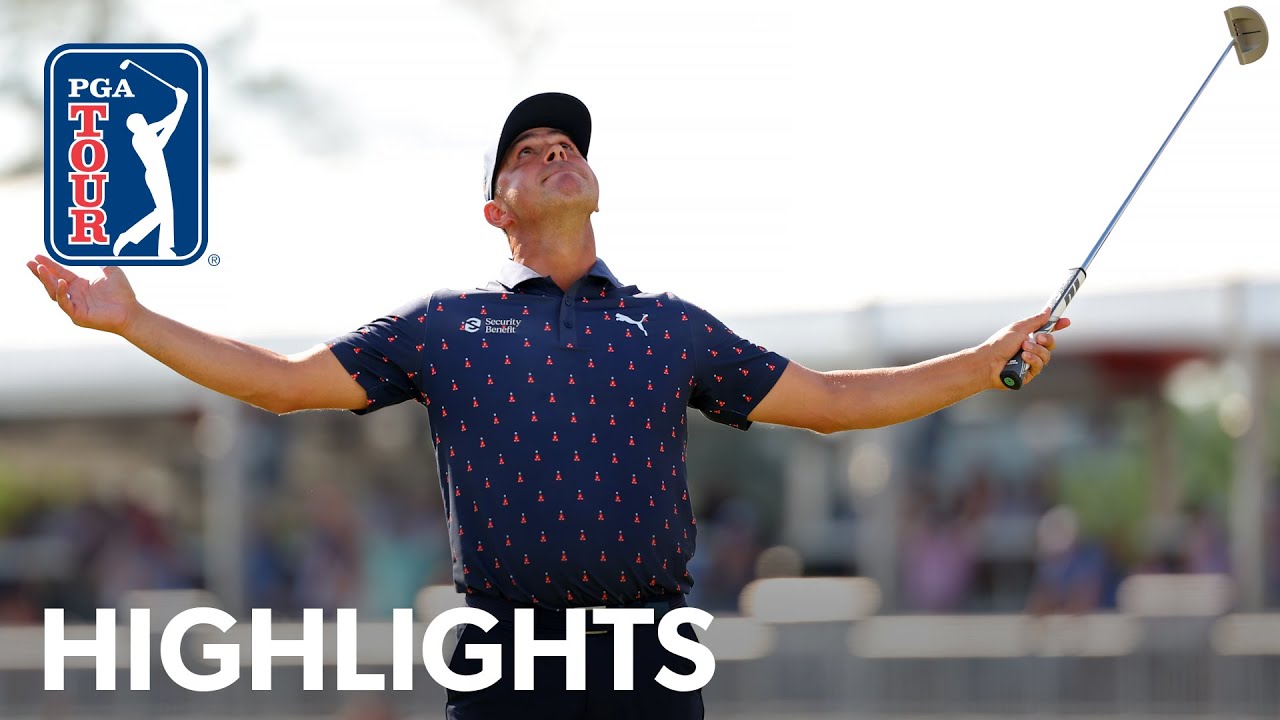
Gary Woodland's five-shot win at the Texas Children's Houston Open has been celebrated for its emotional weight — a first PGA Tour title in seven years, a comeback from brain surgery and PTSD that he has spoken about publicly with rare openness. But the technical underpinning of that victory, according to PGA Tour broadcast analysis, was a quieter overhaul of his putting under coach Phil Kenyon.
"Putting coach Phil Kenyon getting them lined up better," the PGA Tour broadcast team noted as Woodland navigated his Sunday round. "Short game has been impeccable. It's enabled him to stay in this tournament even though he got a little wild at times off the tee."
It is a familiar Kenyon signature. The English coach — who has worked with major winners including Justin Rose and Henrik Stenson — built his reputation on diagnosing aim and stroke-path issues that often go unaddressed by players whose ball-striking masks them. Woodland was a textbook candidate. His tee shots have wandered for years, and the brain surgery he underwent two-and-a-half years ago, which he has previously linked to recurring PTSD episodes on course, made the rebuild emotional as well as mechanical.
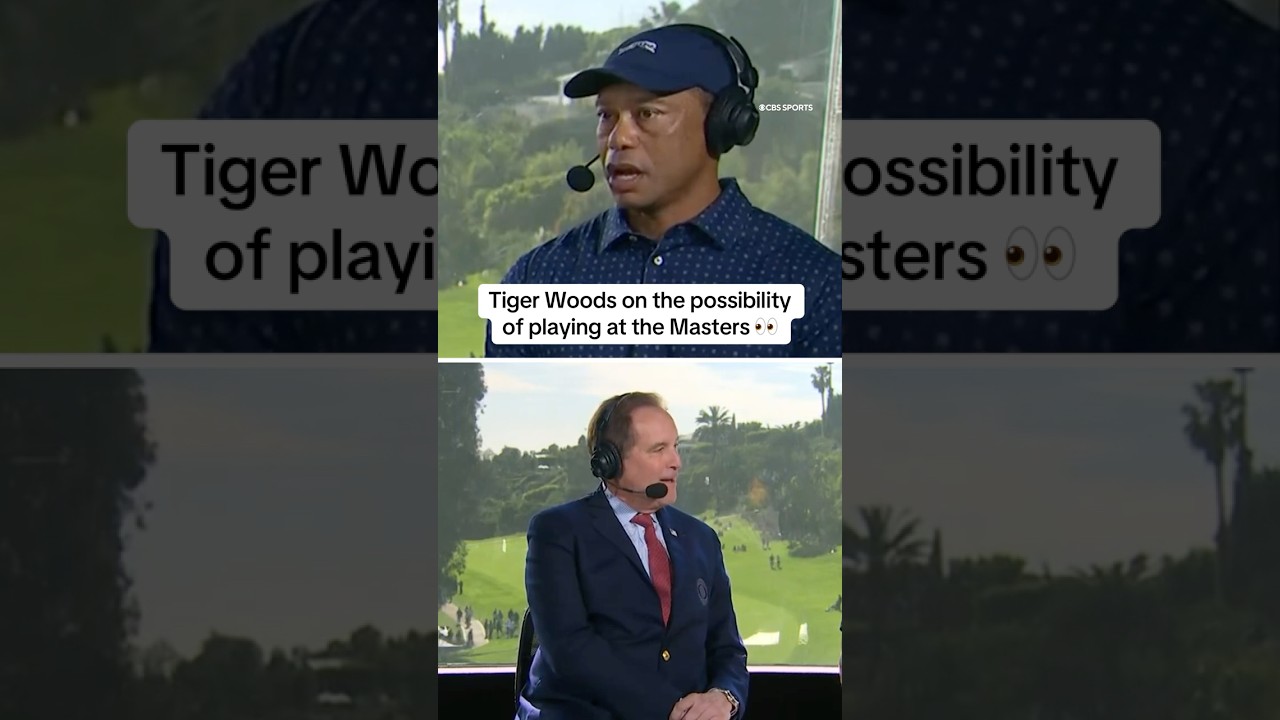
The result, according to the broadcast, was a player who looked like the version of himself that won the 2019 US Open at Pebble Beach. "He looks like that stoic player who broke through for that major championship at Pebble Beach seven years ago," the commentary team said as Woodland stretched his lead in Houston. The composed body language, the unhurried tempo over the ball — all elements that had been absent for chunks of the seven intervening years.
The PGA Tour announcer leaned into the magnitude of the comeback in real time. "Nearly seven years in the making, but just two and a half years removed from brain surgery and then the bout of PTSD where he wanted to walk off the golf course numerous times where it left him crying — now in tears for a much different reason. I'm not sure there has been a more emotional victory than Gary Woodland's five-shot win over Nikolai Hojgaard in the Texas Children's Houston Open."
Woodland himself credited his support team in the immediate aftermath rather than detailing the technical work. "Tell you what, we play an individual sport out here, but I wasn't alone today," he said. "And I got a lot of people behind me. My team, my family in this golf world. Anybody that's struggling with something, I hope they see me and don't give up. Just keep fighting."
He framed the win itself as a single point on a longer arc. "It's just another day, right, that I got to keep healing. Today was a good day. But I'm going to keep fighting. I got a big fight ahead of me and I'm going to keep going. But I'm proud of myself right now."
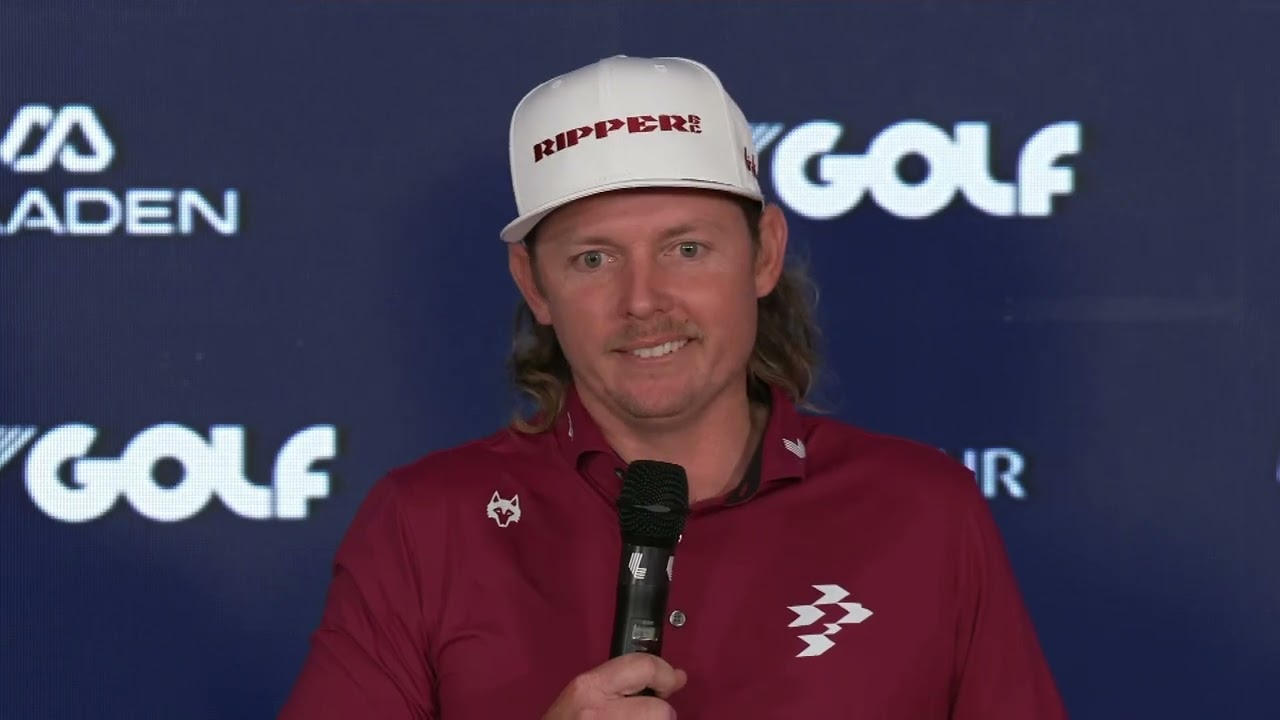
The Sunday charge from Jake Knapp — who recorded his fourth eagle of the week — and a packed leaderboard around Woodland made the margin of victory all the more notable. Woodland has now climbed back inside the world's top 60 and put himself in the conversation for a Masters return that, by his own admission earlier in the year, he was not certain he would be ready for.
Kenyon's role in the win is unlikely to make headlines beyond a passing broadcast credit. But for any tour pro grinding on the practice green, the lesson is the one Woodland's bag now embodies: a fix to alignment, however small it looks, can be the difference between Sunday in the hunt and Sunday on the range.